
 Save
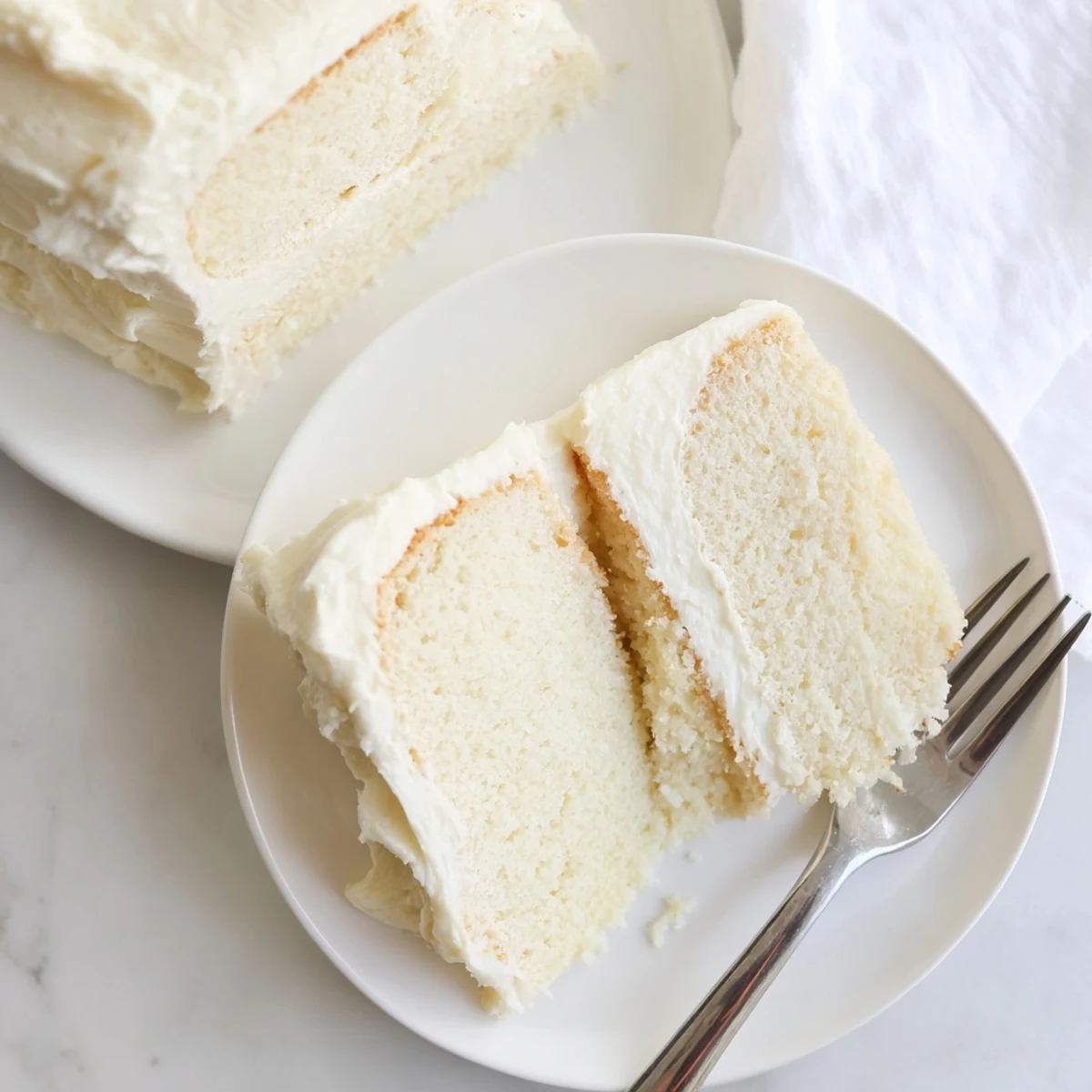
Save This classic vanilla cake delivers a tender, moist crumb with rich butter flavor, ideal for birthdays, holidays, or weekend baking. The fluffy buttercream frosting adds sweetness and creaminess.
Ready in under an hour, this American dessert uses pantry staples like flour, butter, eggs, and pure vanilla extract. The two-layer structure creates an impressive presentation while remaining approachable for bakers of all skill levels.
The smell of vanilla always pulls me back to my grandmother's tiny kitchen, where she'd let me stand on a chair to reach the counter. Her cakes never came from a box, and she taught me that the simple act of creaming butter and sugar until it looks like clouds is worth every minute. I still use that same technique today, watching the mixture transform from yellow and grainy to pale and fluffy. Something about the rhythm of vanilla cake making feels like coming home, no matter how many years pass.
Last summer, my youngest niece turned seven and begged for a vanilla cake with rainbow sprinkles. We made this recipe together, flour dusting both of us, her tongue sticking out in concentration while she cracked eggs. When she took that first bite, eyes wide at the simplicity she'd dismissed as boring, I knew this recipe had won another heart. Sometimes the most traditional desserts are the ones that surprise us most.
Ingredients
- All-purpose flour: The structure builder here, so measure carefully by spooning into your cup and leveling off for accuracy
- Baking powder: Your lift agent, fresh is best since expired baking powder leads to dense, sad cakes
- Salt: Just enough to enhance sweetness and make vanilla sing, don't skip it
- Unsalted butter: Room temperature butter is nonnegotiable, it should yield to gentle finger pressure but not feel greasy
- Granulated sugar: Cream this properly with butter for that light, airy texture we're after
- Large eggs: Also at room temperature, cold eggs can seize the butter mixture and create curdled batter
- Pure vanilla extract: Worth every penny, artificial never gives that deep, comforting flavor
- Whole milk: Full fat makes a noticeably moister crumb than low-fat alternatives
- Unsalted butter for buttercream: Softened properly, you want it pliable but not melting into soup
- Powdered sugar: Sifting prevents lumps that would ruin that silky smooth finish
- Whole milk for buttercream: Adjust by teaspoon until you reach your perfect spreading consistency
- Pure vanilla extract for buttercream: Don't be shy with vanilla in frosting, it balances all that sugar
- Pinch of salt: Rounds out the sweetness and makes buttercream taste professionally balanced
Instructions
- Preheat your oven and prep those pans:
- Set your oven to 350°F and generously grease two 9-inch round pans, then cut parchment circles to line the bottoms
- Whisk the dry team:
- In a medium bowl, combine flour, baking powder, and salt until everything is evenly distributed
- Make the magic base:
- Beat butter and sugar on medium-high speed for 3 to 4 minutes until the mixture looks pale and fluffy
- Add the eggs slowly:
- Drop in eggs one at a time, letting each incorporate fully before adding the next, then mix in your vanilla
- Combine everything gently:
- Alternate adding flour mixture and milk, beginning and ending with flour, mixing just until no dry streaks remain
- Bake until perfectly done:
- Divide batter evenly between pans, smooth the tops, and bake for 28 to 32 minutes until a toothpick comes out clean
- Cool with patience:
- Let cakes rest in pans for 10 minutes before turning onto wire racks to cool completely
- Make the buttercream:
- Beat butter until creamy, then gradually add powdered sugar, milk, vanilla, and salt until silky smooth
- Frost like a pro:
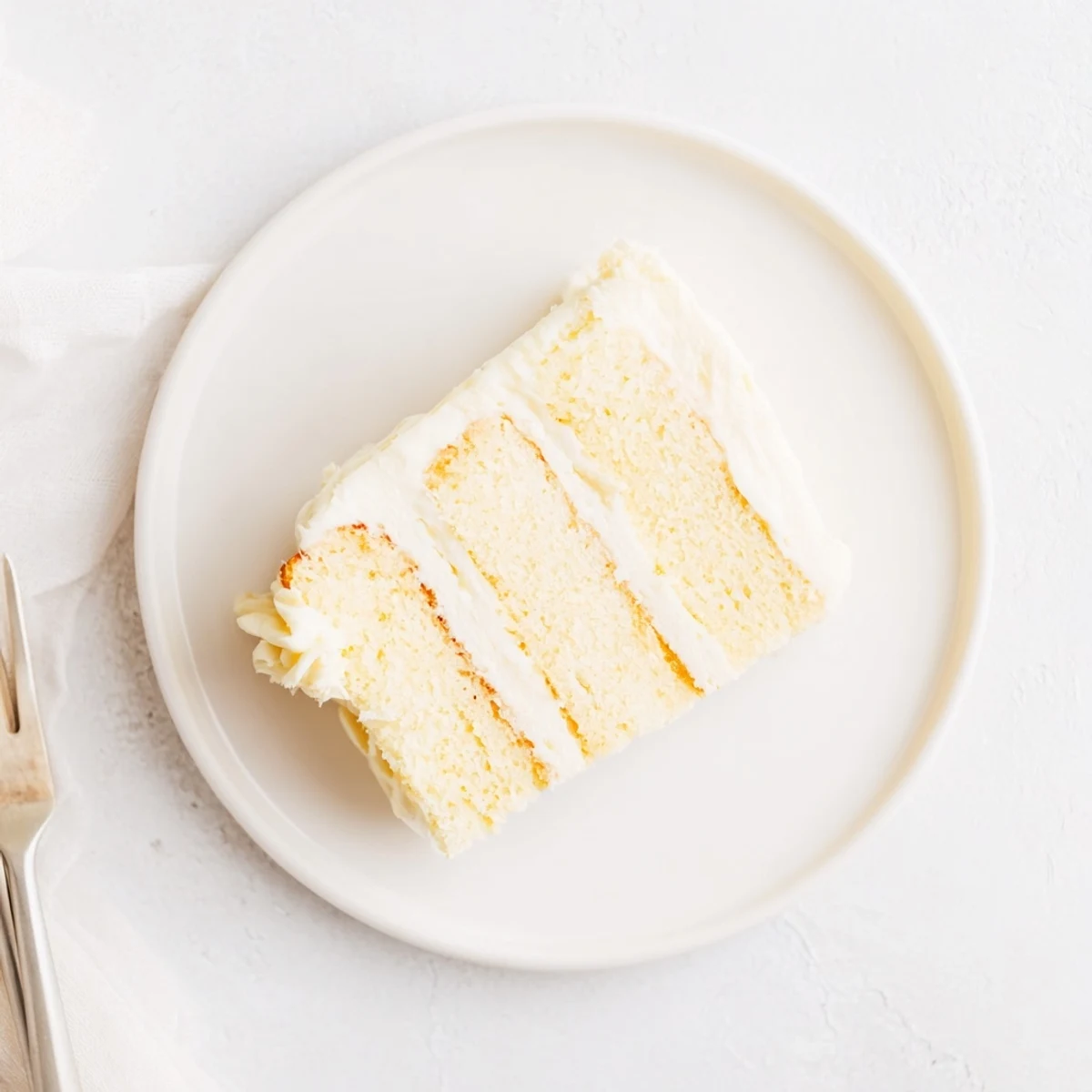
- Spread buttercream between layers first, then coat the top and sides, using an offset spatula for smooth waves
 Save
Save This cake became my go-to for every life celebration after my friend requested it for her wedding instead of something fancy. There's something honest about a perfectly executed vanilla cake, like wearing your favorite well-worn sweater instead of something new and stiff. It's comfort on a plate, and sometimes that's exactly what we need most.
Making It Ahead
I've learned that a baked cake, wrapped tightly while still slightly warm, freezes beautifully for up to two months. Thaw overnight in the refrigerator before frosting, and nobody will ever know you didn't bake it that morning.
Flavor Variations
The notes suggest scraping a vanilla bean into the batter, and that tiny extra step creates those beautiful speckles and an incredible depth of flavor. I've also folded fresh berries into the batter or swapped in chocolate layers, but sometimes classic is exactly what the moment calls for.
Frosting Success
Your buttercream consistency should hold its shape but still spread smoothly without tearing the cake surface. If it's too stiff, add milk one teaspoon at a time, and if it's too soft, chill briefly or add a bit more powdered sugar.
- Start with a crumb coat of thin frosting to lock in loose crumbs, then chill for 15 minutes before the final layer
- Run your spatula under hot water and dry it for the smoothest finish on that final coat
- Room temperature frosting spreads best, so let it sit for 15 minutes if it's been chilling
 Save
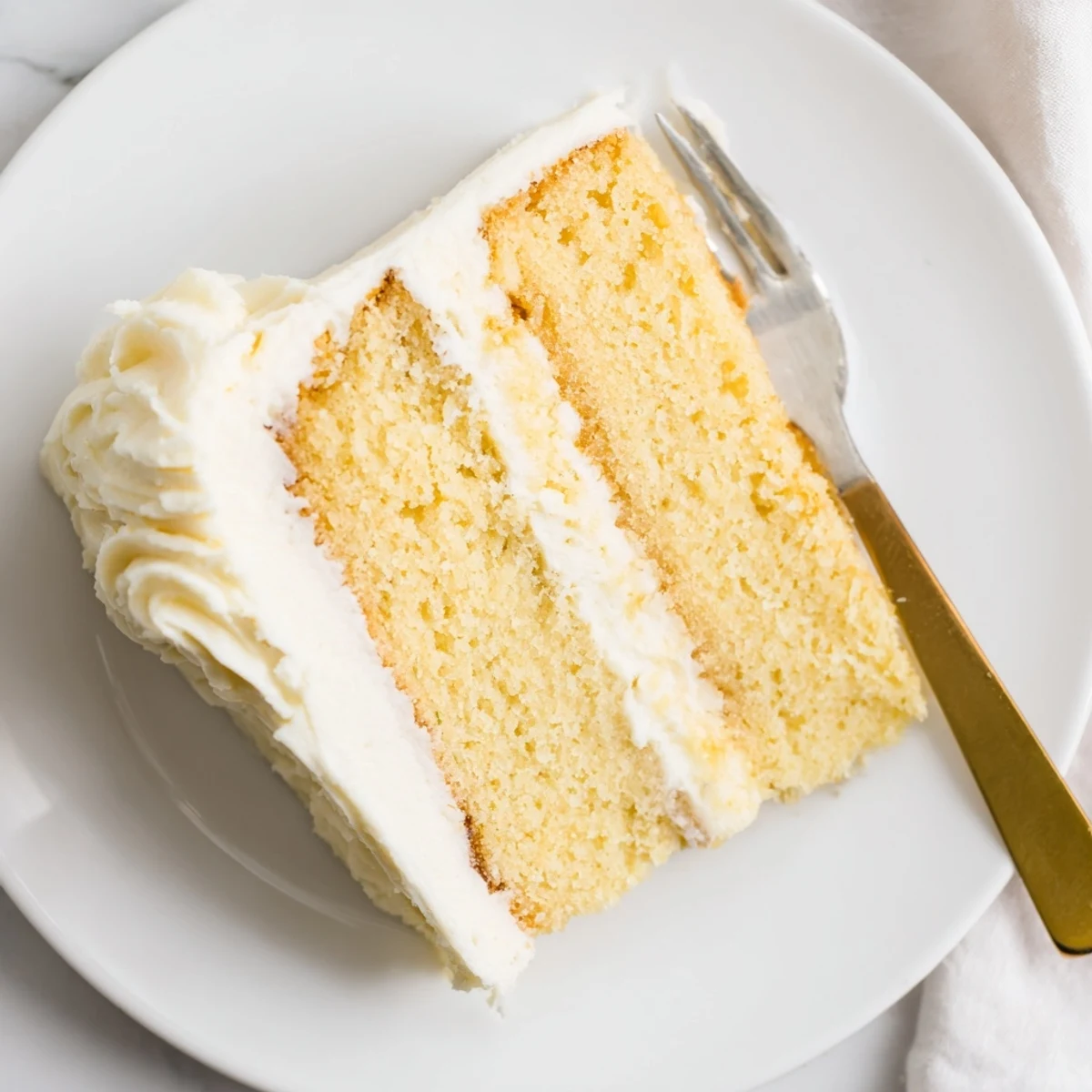
Save May your kitchen smell like vanilla and your celebrations always include a slice of something made with love.
Recipe FAQs
- → How do I know when the vanilla cake is done baking?
-
Insert a toothpick into the center of the cake. If it comes out clean or with just a few moist crumbs, the cake is done. The edges should also pull slightly away from the pan sides.
- → Can I make this cake ahead of time?
-
Yes! The baked layers can be wrapped tightly and frozen for up to 2 months. Thaw overnight at room temperature before frosting. You can also frost the cake 1-2 days ahead; store covered at room temperature.
- → Why did my cake turn out dense?
-
Overmixing the batter can develop too much gluten, creating a dense texture. Mix only until ingredients are just combined. Also ensure ingredients are at room temperature for proper emulsification.
- → Can I substitute the butter in the buttercream?
-
For a slightly different flavor, you can use half butter and half shortening for more stability in warm weather. However, pure buttercream offers the best flavor and texture for this classic vanilla cake.
- → How should I store the finished cake?
-
Keep the frosted cake covered at room temperature for up to 3 days. For longer storage, refrigerate in an airtight container for up to a week, though bring to room temperature before serving for best texture.