
 Save
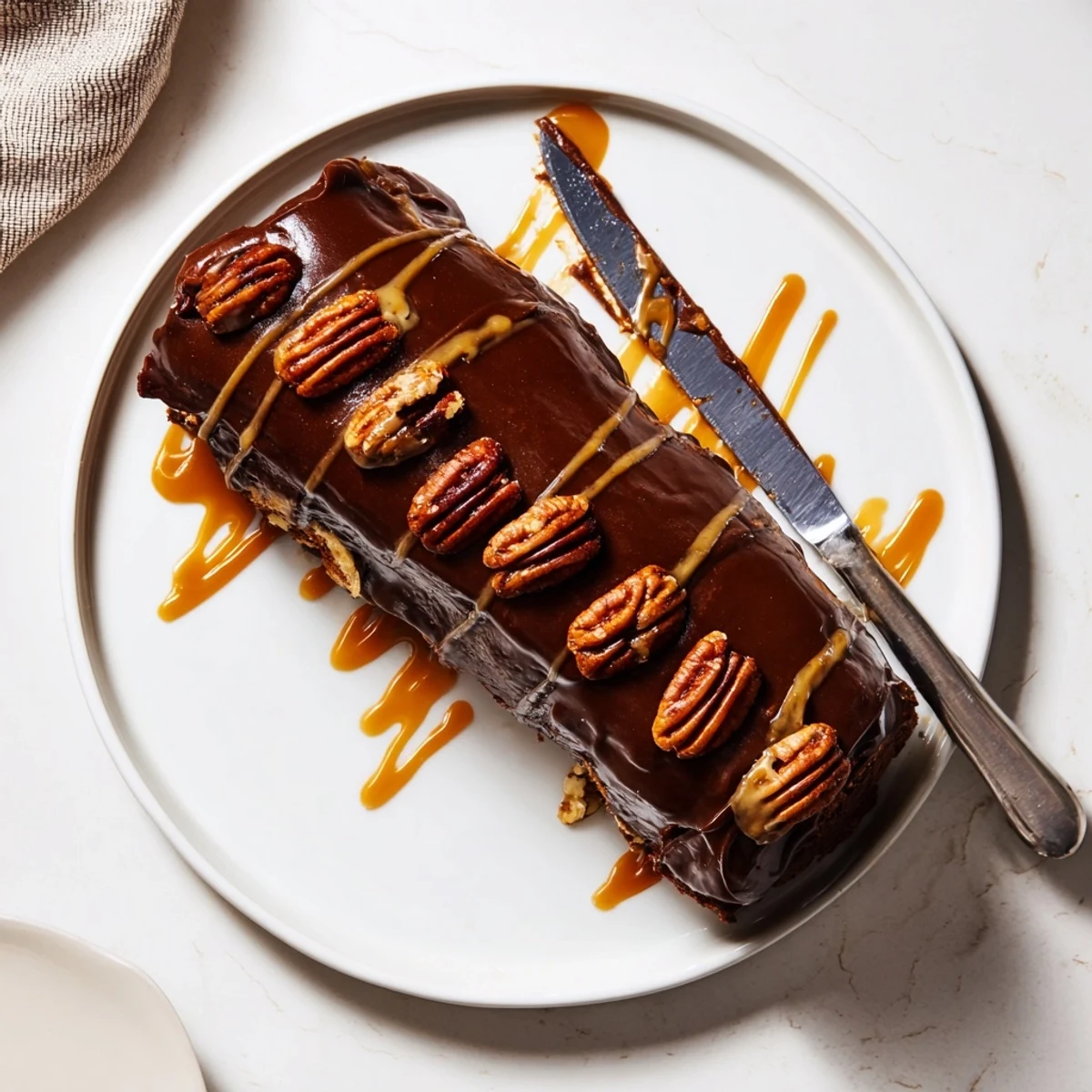
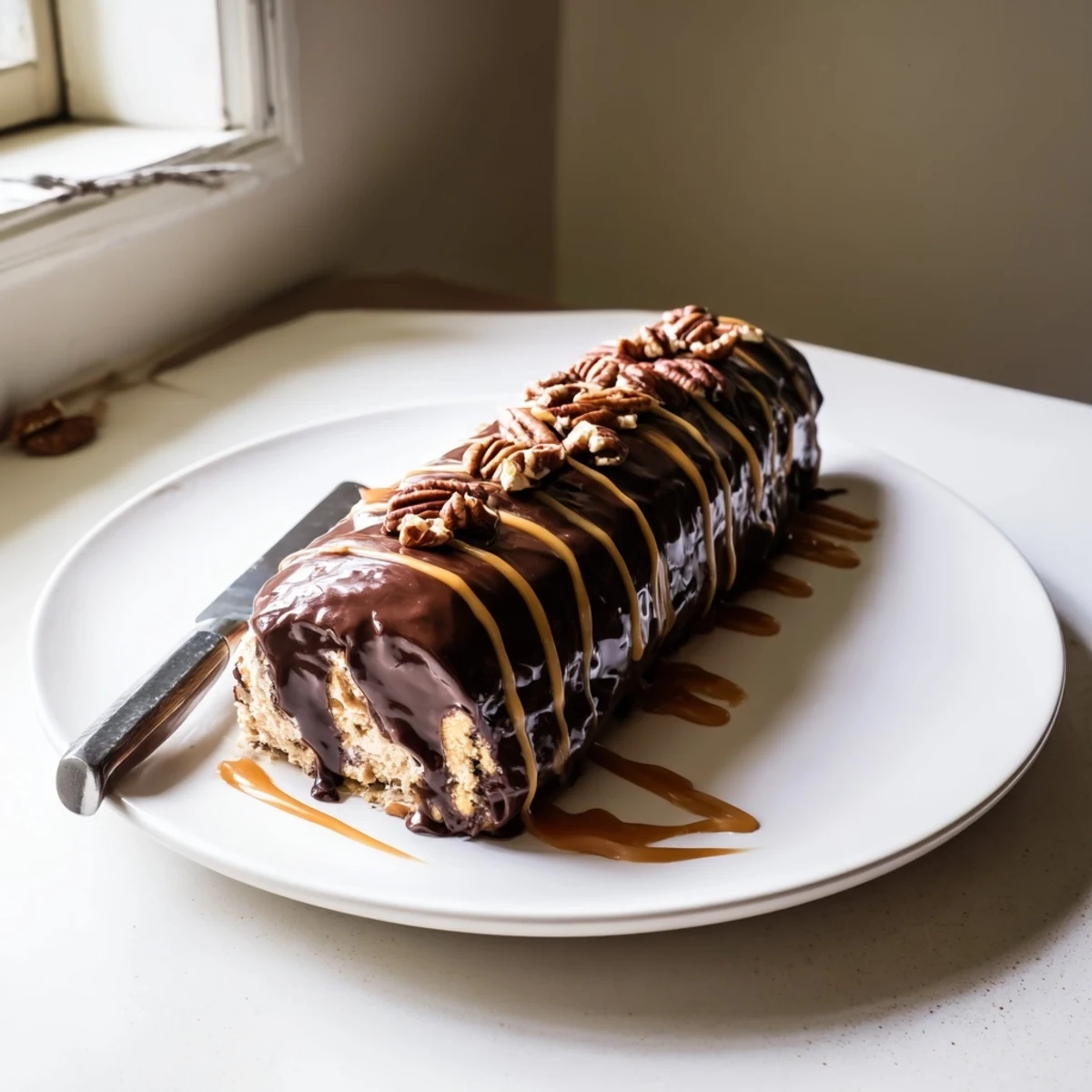
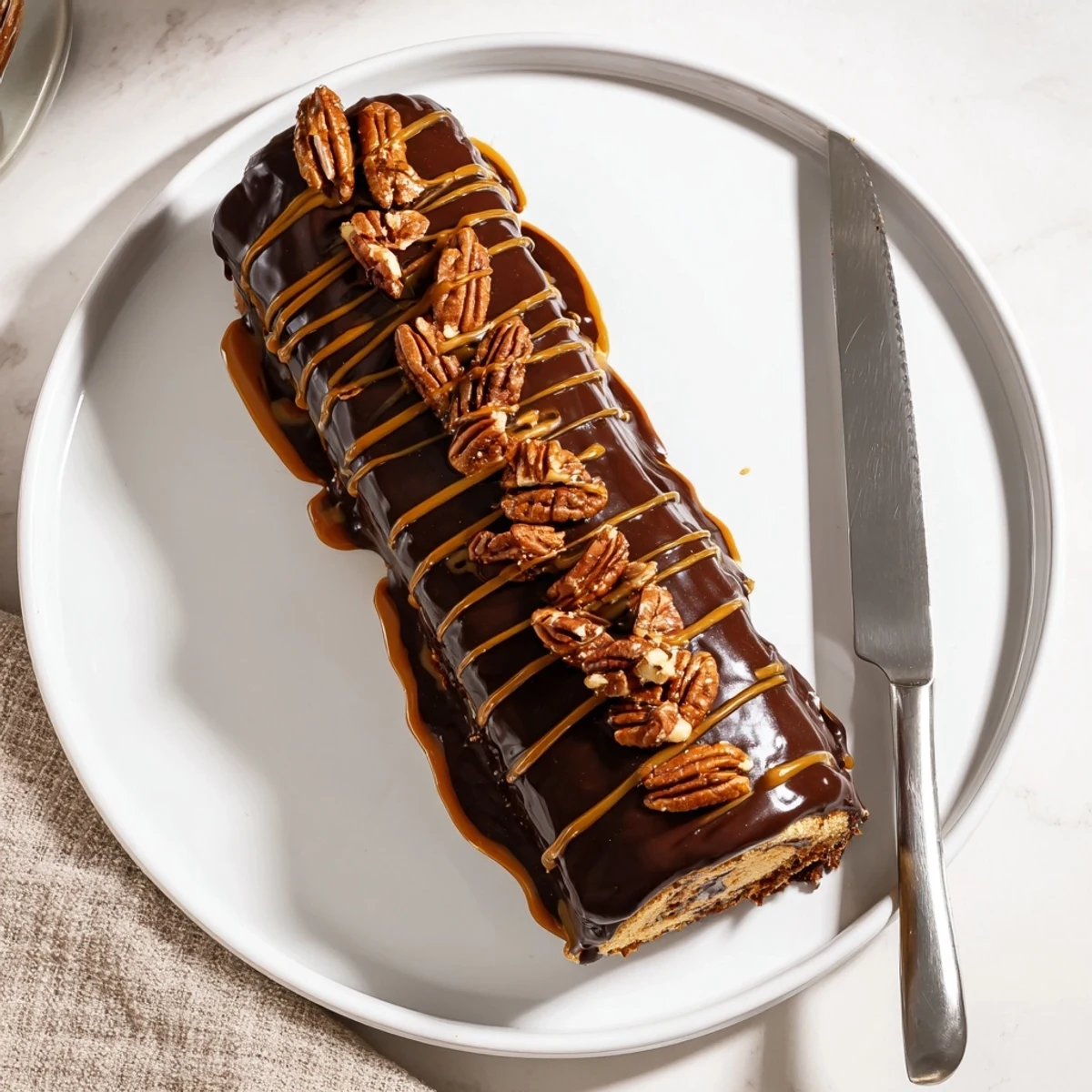
Save This chocolate caramel turtle cake roll combines a light, cocoa-rich sponge with a gooey caramel filling and crunchy toasted pecans. The sponge is baked thin, rolled while warm to hold its shape, then filled once cooled.
A generous layer of thick caramel sauce gets spread across the interior before a sprinkle of chopped pecans adds satisfying crunch. The whole roll is cloaked in a silky semi-sweet chocolate ganache that drips down the sides, finished with extra caramel drizzle and pecan halves for a stunning presentation.
Ready in about an hour (plus cooling), this American classic serves 10 and delivers an indulgent, vegetarian-friendly dessert that tastes as impressive as it looks.
The oven timer had just beeped and I was elbow deep in dishes when I realized I had forgotten to prepare the towel for rolling. That first attempt at a turtle cake roll ended up as a delicious but deeply ugly chocolate mess on my countertop. My sister walked in, scooped up a handful with a spoon, and declared it the best thing I had ever made. She was right about the flavor, so I kept making it until the roll actually looked like a roll.
I brought this to a potluck last autumn and watched three people cut second slices before anyone touched the pies. One friend stood quietly at the dessert table eating hers with her eyes closed, which remains the highest compliment I have ever received.
Ingredients
- 4 large eggs at room temperature: Cold eggs will not whip to the volume you need so set them out at least thirty minutes ahead.
- 100 g granulated sugar: This is a sponge that relies on beaten eggs for lift so do not reduce the sugar or the structure suffers.
- 1 tsp vanilla extract: A good quality vanilla rounds out the cocoa and keeps the sponge from tasting flat.
- 70 g all-purpose flour: Measure by weight if possible because even a small overpour makes the sponge dense.
- 30 g unsweetened cocoa powder: Use a natural cocoa here for a deep chocolate flavor that pairs well with the sweet caramel.
- 1/2 tsp baking powder and 1/4 tsp salt: The leavening gives a gentle boost while salt sharpens every flavor in the roll.
- 200 g thick caramel sauce: A thick sauce stays put inside the roll instead of oozing out when you slice.
- 70 g chopped toasted pecans: Toasting the pecans before adding them is a small step that makes a huge difference in crunch and taste.
- 100 g semi-sweet chocolate chopped: Chopping your own from a bar melts more smoothly than chips which contain stabilizers.
- 90 ml heavy cream: The fat content is what gives ganache its silky pourable texture so do not substitute with milk.
- Pecan halves and extra caramel for garnish: These finishing touches turn a humble roll into something that stops conversation.
Instructions
- Prep your pan and oven:
- Heat the oven to 180 degrees C (350 degrees F) and line a 10 by 15 inch jelly roll pan with parchment, giving it a light coat of grease so the sponge releases cleanly.
- Whip the eggs into ribbons:
- Beat the eggs, sugar, and vanilla on high speed for a full five minutes until the mixture turns pale, thick, and falls in slow ribbons from the beater.
- Fold in the dry ingredients:
- Sift the flour, cocoa, baking powder, and salt directly over the egg mixture, then fold gently with a spatula using wide sweeping strokes until no dry streaks remain.
- Bake the sponge:
- Spread the batter evenly across the pan and bake for ten to twelve minutes, checking that the top springs back softly when you press it with your fingertip.
- Roll while hot:
- Immediately invert the warm sponge onto a clean kitchen towel dusted with powdered sugar, peel away the parchment, and roll it snugly from the short end with the towel inside. Let it cool completely in this shape so it memorizes the curve.
- Fill with caramel and pecans:
- Gently unroll the cooled sponge, spread caramel sauce evenly across the surface saving two tablespoons for drizzling later, and scatter toasted chopped pecans over every inch.
- Re-roll without the towel:
- Roll the cake back up carefully, this time peeling the towel away as you go, and place it seam side down on your serving platter.
- Make the ganache:
- Pour hot (not boiling) cream over the chopped chocolate in a heatproof bowl, let it sit undisturbed for two minutes, then stir from the center outward until you have a glossy thick ganache.
- Glaze and garnish:
- Pour the ganache over the roll letting it cascade down the sides, then drizzle reserved caramel in zigzag lines and press pecan halves along the top.
- Chill before slicing:
- Refrigerate the roll for twenty minutes so the ganache sets, then let it come to room temperature before serving for the softest texture.
 Save
Save There is something about presenting a cake roll at a table that makes people lean forward in their chairs before you have even cut the first slice.
The Rolling Trick That Changed Everything
I used to dread the rolling step because every sponge I touched seemed determined to crack. Then I started rolling the cake inside the towel while it was still almost too hot to handle and everything changed. The heat makes the sponge pliable and willing, almost like it wants to cooperate. Once it cools in that rolled position it holds the shape beautifully for the second roll after filling.
Swapping Ingredients to Suit Your Pantry
Walnuts work just as well as pecans if that is what you have on hand, and I have even used salted roasted peanuts once in a pinch which gave the whole roll a playful candy aisle energy. If you want extra gooeyness, a thin layer of warm fudge sauce spread under the caramel takes this into truly over the top territory. A scoop of vanilla ice cream on the side is never a bad idea.
Timing and Make Ahead Advice
You can bake and roll the sponge up to a day ahead, keeping it wrapped in the towel at room temperature, then fill and glaze it the next morning. This makes it a brilliant make ahead dessert for dinner parties or holiday gatherings when oven space is scarce. The finished roll holds well in the fridge for up to three days though the ganache will lose a bit of its shine after the first day.
- Always check chocolate labels for soy if you are serving someone with allergies.
- Let the roll sit at room temperature for twenty minutes before serving so the caramel softens.
- A serrated knife dipped in hot water gives the cleanest slices.
 Save
Save Every time I make this roll I think about that first ugly batch and how the flavor carried it through until my technique caught up. Some desserts just earn their place in your kitchen by being worth the practice.
Recipe FAQs
- → Why does my cake crack when I roll it?
-
Cake cracking usually happens when the sponge has cooled too much before rolling. Always roll the cake while it's still warm from the oven, using a powdered sugar–dusted kitchen towel to prevent sticking. This initial roll sets the shape so it unrolls and re-rolls easily once filled.
- → Can I make this cake roll ahead of time?
-
Yes, you can prepare the cake roll a day in advance. Wrap it tightly in plastic wrap and refrigerate. Let it sit at room temperature for about 20 minutes before serving so the ganache and caramel soften to their ideal texture.
- → What can I substitute for pecans?
-
Walnuts are the closest substitute and work beautifully with the chocolate-caramel combination. You could also use toasted hazelnuts or almonds for a different flavor profile. If avoiding nuts entirely, try toasted coconut flakes or toffee bits for added crunch.
- → How do I get clean slices when cutting the roll?
-
Chill the cake roll for at least 20 minutes before slicing. Use a sharp knife dipped in hot water and wiped clean between each cut. The cold ganache and caramel set slightly, making for neat, presentable portions.
- → Can I use homemade caramel sauce?
-
Absolutely. A thick, homemade salted caramel sauce works wonderfully here and often has better flavor than store-bought. Just make sure it's cooled and spreadable, not hot or runny, so it stays inside the roll without oozing out.
- → Why do I need to beat the eggs and sugar for five minutes?
-
This extended beating incorporates air into the batter, which is the primary leavening for this sponge. The mixture should become pale, thick, and roughly tripled in volume. This aeration is what creates the light, pliable texture that rolls without cracking.