
 Save
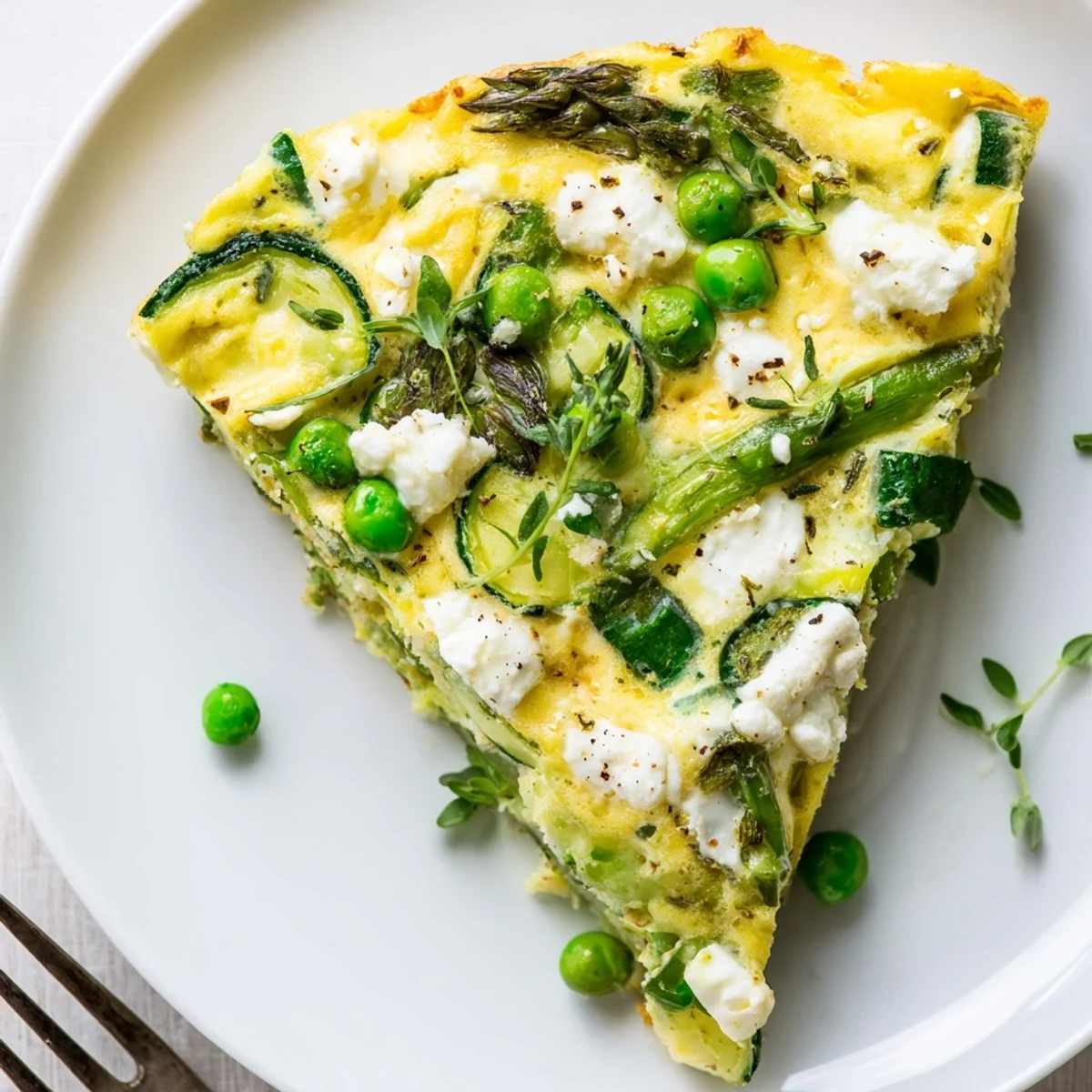
Save This spring frittata serves four and comes together in about 40 minutes. Sauté asparagus, zucchini and scallions until just tender, stir in spinach and peas, then pour a whisked mixture of eight eggs, a splash of milk and thyme over the vegetables. Top with crumbled goat cheese, set the edges on the stovetop for 3–4 minutes, then bake 12–15 minutes at 375°F until the center is set. Let cool slightly, slice and serve warm or at room temperature. Easy to customize with fresh herbs or alternative cheeses and suitable for vegetarian, gluten-free diets.
The farmers market on Third Street always ruins me in the best way every April. Tiny bundles of asparagus, spinach so green it looks fake, and scallions that smell like morning dew all gang up on my wallet before I even reach the second stall. One Saturday I came home with bags full of spring produce and zero plan, which is exactly how this frittata was born. It has been on heavy rotation ever since.
My friend Lena came over one Sunday looking exhausted after a long week, and I slid a warm wedge of this across the table with some crusty bread. She sat in my kitchen chair, took one bite, and literally closed her eyes. We ate in complete silence for ten minutes, and she told me later it was the most relaxed she had felt all week.
Ingredients
- Asparagus: Trim the woody ends and cut into one inch pieces so they cook evenly and look tidy in every slice.
- Baby spinach: Fresh is best here because it wilts down beautifully without making the frittata watery.
- Frozen peas (thawed): They add a subtle sweetness that balances the savory eggs and tangy cheese perfectly.
- Zucchini: Slice into thin half moons so they soften quickly and lay flat in the skillet without creating tall air pockets.
- Scallions: Their mild onion flavor is gentler than regular onions and spreads through the whole dish without overpowering anything.
- Eggs: Eight large eggs give you a substantial frittata that feeds four people and reheats well.
- Whole milk or cream: Just a quarter cup keeps the texture custardy rather than rubbery.
- Salt, pepper, and thyme: Fresh thyme leaves are worth seeking out because their lemony earthiness pairs beautifully with goat cheese.
- Goat cheese: Crumble it rather than slicing it so it distributes into those gorgeous little pockets throughout.
- Olive oil: One tablespoon is all you need to sauté the vegetables and give the bottom a slight golden crust.
Instructions
- Warm up the oven:
- Set your oven to 375 degrees Fahrenheit so it is fully heated by the time the skillet is ready to go in.
- Sauté the heartier vegetables:
- Heat olive oil in a large ovenproof skillet over medium heat and cook the asparagus, zucchini, and scallions for about three to four minutes until they just start to soften and smell incredible.
- Wilt the greens:
- Stir in the spinach and peas, cooking for another minute or two until the spinach collapses and turns a deep vivid green.
- Whisk the eggs:
- In a mixing bowl, whisk the eggs with milk, salt, pepper, and thyme until everything is smoothly combined and slightly frothy on top.
- Combine and settle:
- Spread the vegetables evenly across the skillet, pour the egg mixture over them, and give the pan a gentle shimmy so everything distributes without you having to stir.
- Add the goat cheese:
- Scatter the crumbled cheese across the top evenly, pressing some pieces down gently so they nestle into the eggs.
- Set the edges on the stove:
- Cook over low to medium heat for three to four minutes without stirring, just until you see the edges pulling away from the pan and starting to firm up.
- Finish in the oven:
- Transfer the skillet to the oven and bake for twelve to fifteen minutes until the center is set and the top has a light golden blush.
- Rest and serve:
- Let it cool for a few minutes before slicing so the pieces hold their shape, and serve it warm or at room temperature.
 Save
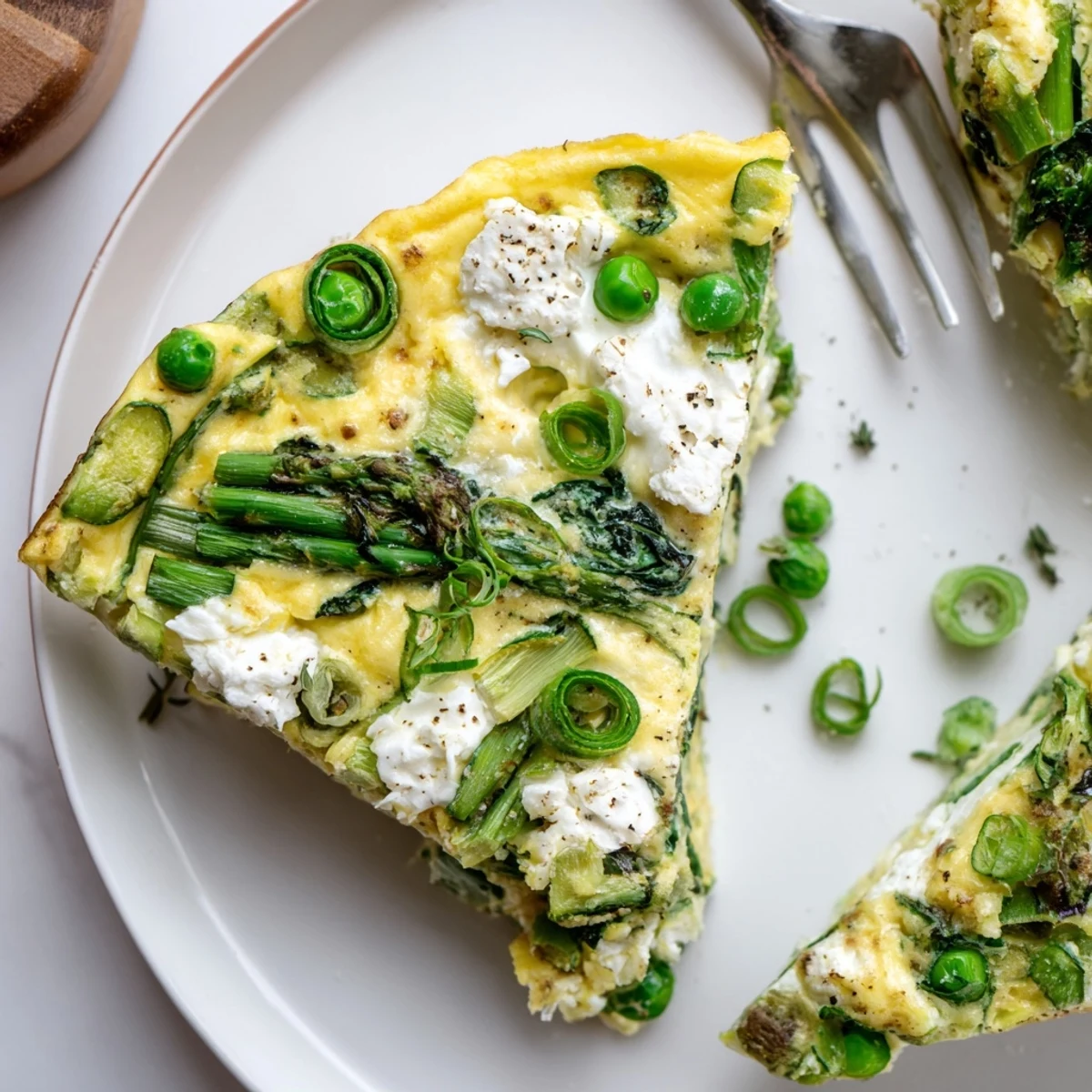
Save There is something deeply satisfying about pulling a whole skillet out of the oven, golden and puffed, and setting it directly on the table for everyone to slice into together. It turns a simple meal into a small shared event.
Serving Ideas That Actually Work
A simple arugula salad with lemon juice and olive oil cuts through the richness of the eggs and cheese beautifully. Thick slices of sourdough or a baguette on the side turn this into a proper meal without any extra cooking.
Making It Your Own
Feta works surprisingly well if goat cheese is not your thing, and ricotta creates a softer, creamier result. Fresh chives, parsley, or dill stirred into the egg mixture add a brightness that makes the whole thing taste like spring on a plate.
Storing and Reheating
Leftovers keep well in the refrigerator for up to three days and taste just as good cold as they do gently reheated. I often wrap a cold wedge in parchment paper and call it lunch at my desk.
- Let the frittata cool completely before covering and refrigerating so condensation does not make it soggy.
- Reheat individual slices in a low oven or a dry skillet rather than the microwave for better texture.
- This recipe does not freeze well because the vegetables release water upon thawing, so enjoy it fresh.
 Save
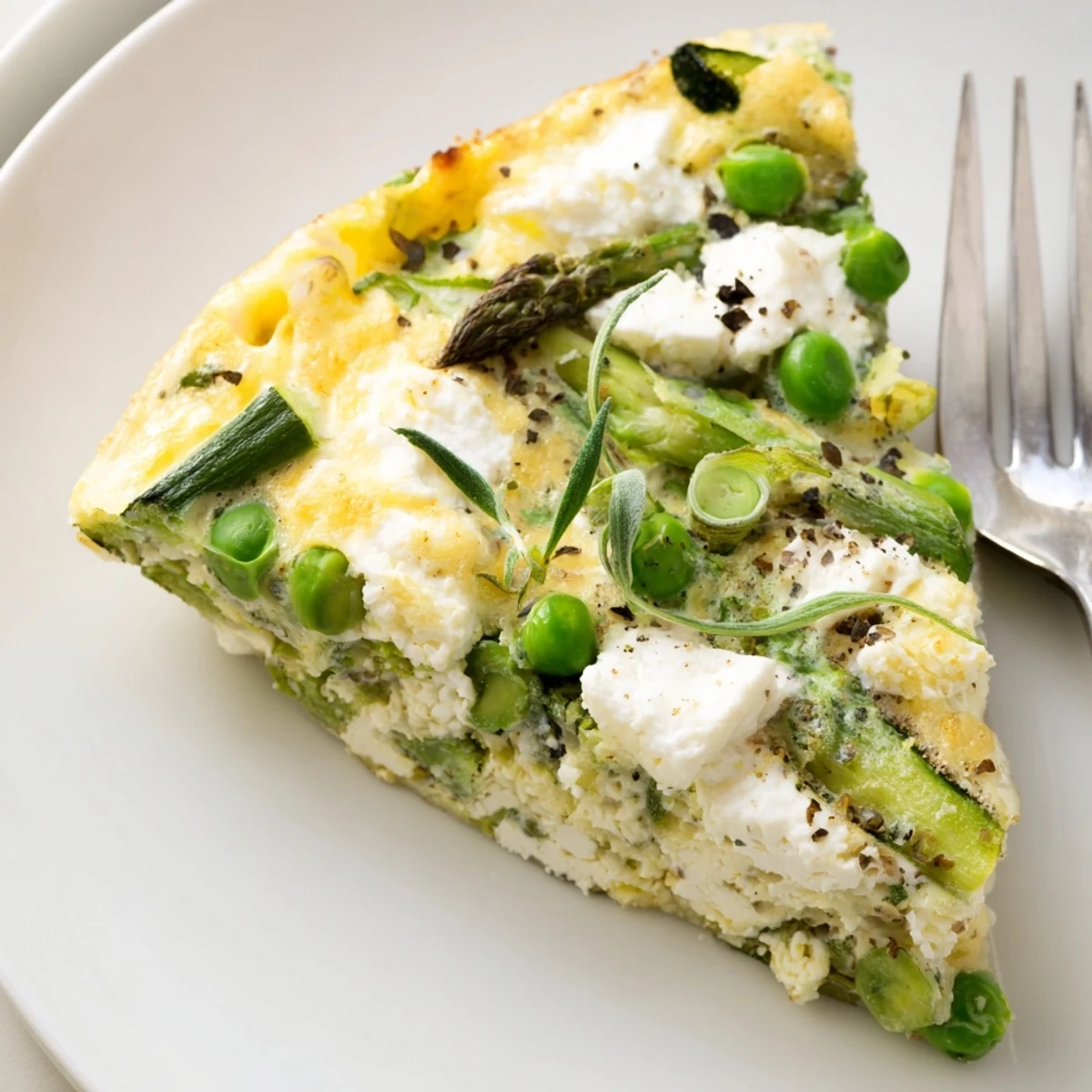
Save This frittata is proof that spring produce needs almost no help to shine. Just eggs, cheese, and a hot oven between you and something really wonderful.
Recipe FAQs
- → How do I know when the frittata is set?
-
The center should be just firm to the touch and no longer runny; a thin knife inserted into the middle should come out clean or with only a slight amount of moisture. The edges will pull away slightly from the skillet and the top will be lightly golden.
- → Can I make this ahead and reheat it?
-
Yes. Cool completely, wrap and refrigerate for up to 2 days. Reheat slices in a low oven (300°F) for 10–15 minutes or gently in a skillet over low heat to preserve texture. Avoid microwaving for long periods to prevent rubberiness.
- → What can I substitute for goat cheese?
-
Feta or ricotta are excellent swaps; feta adds a salty tang while ricotta gives a milder, creamier finish. For a dairy-free option, use a plant-based cheese alternative and a splash of non-dairy milk.
- → Is there a best skillet to use?
-
Use a 10–12 inch ovenproof skillet with good heat conduction (cast iron or oven-safe stainless works well). Ensure the handle is oven-safe or use a handle cover when transferring to the oven.
- → Can I change the vegetables or add more?
-
Yes. Substitute or add spring peas, leeks, bell peppers or mushrooms. Just adjust sauté time so firmer vegetables are tender before the egg mixture is added, and keep overall moisture balanced to avoid soggy custard.
- → How should leftovers be stored and how long do they last?
-
Store cooled slices in an airtight container in the refrigerator for up to 3 days. For longer storage, freeze individual slices wrapped tightly; thaw overnight in the fridge before reheating.