
 Save
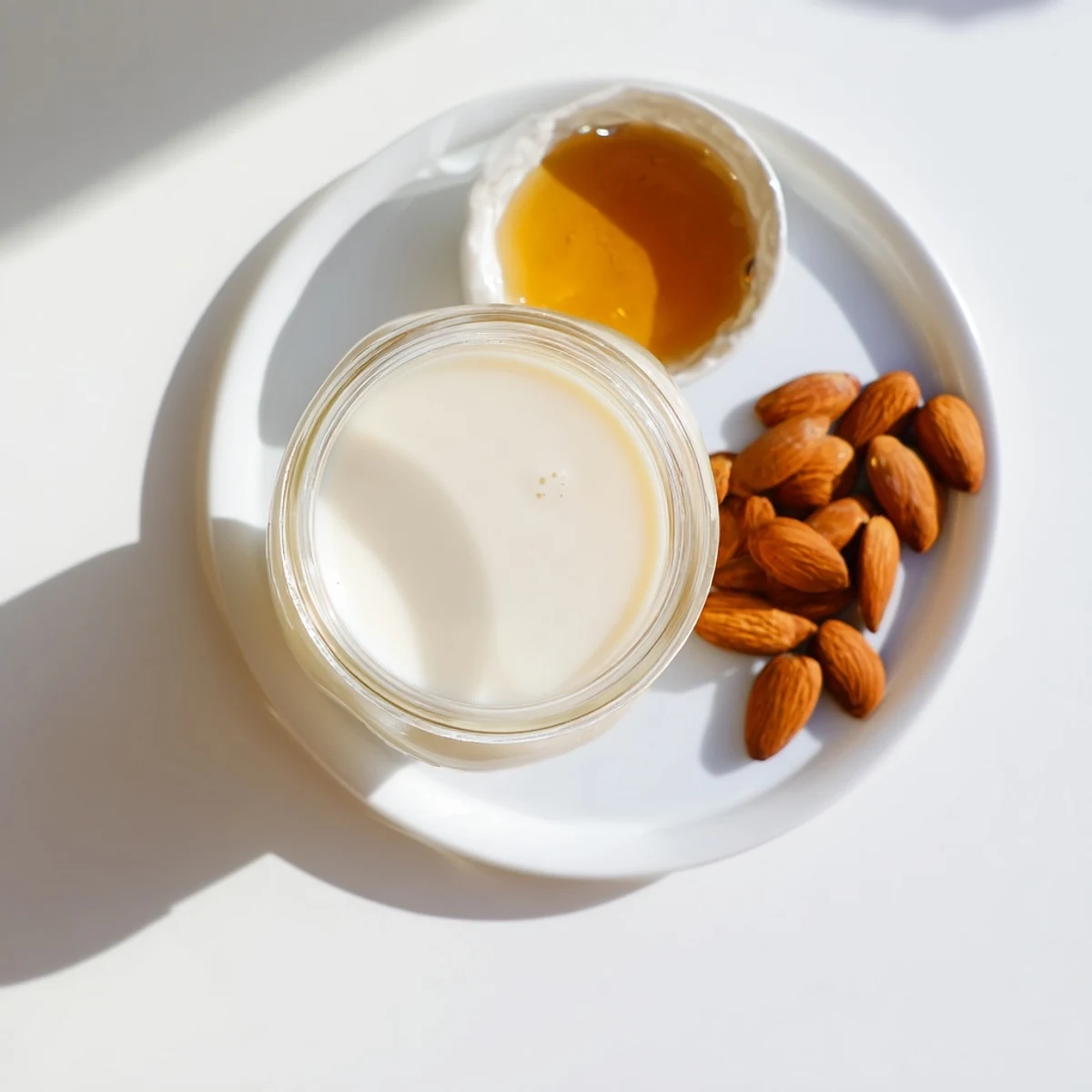
Save Create your own fresh almond milk with just two simple ingredients. This smooth beverage offers a naturally sweet flavor and creamy texture that store-bought versions can't match. The process takes only 10 minutes of active time, requiring nothing more than a blender and a nut milk bag.
Customize your batch with maple syrup, vanilla, or dates for added sweetness. The resulting milk stays fresh for four days in the refrigerator and works beautifully in coffee, smoothies, baked goods, or simply enjoyed chilled. Plus, you can repurpose the leftover almond pulp for energy balls or add it to oatmeal for extra fiber and protein.
My blender was gathering dust on the top shelf until a Tuesday night impulse buy of bulk almonds changed everything. I had been spending far too much on store bought almond milk that tasted oddly thick and listed ingredients I could not pronounce. Within ten minutes of blending my first batch, the kitchen smelled faintly sweet and nutty, and I was hooked. That was three years ago, and I have not bought a carton since.
I brought a chilled mason jar of this to a friend's brunch last summer, and three people asked for the recipe before noon. One friend now makes double batches every Sunday and swears her kids prefer it over anything from the grocery store.
Ingredients
- 1 cup raw almonds: Use truly raw unsalted almonds, not roasted, because the flavor is cleaner and the blending goes smoother after soaking.
- 4 cups filtered water: Filtered water makes a noticeable difference since tap water can carry flavors that compete with the delicate almond taste.
- 1 to 2 tablespoons maple syrup: A gentle sweetener that blends seamlessly and keeps the milk vegan friendly.
- 1 teaspoon vanilla extract: Rounds out the flavor and makes this taste like a treat rather than a health project.
- Pinch of sea salt: Just a tiny pinch lifts every other flavor and makes the sweetness pop.
Instructions
- Soak and soften:
- Cover the almonds with plenty of water and let them soak overnight or for at least eight hours until they plump up and feel tender between your fingers.
- Blend until frothy:
- Drain the soaked almonds, toss them into your blender with four cups of fresh filtered water and any flavorings, then blend on high for one to two minutes until the mixture looks creamy white and beautifully frothy.
- Strain with purpose:
- Pour the blended mixture through a nut milk bag or fine mesh strainer into a large bowl, gathering the corners and squeezing firmly to extract every last drop of liquid.
- Bottle and chill:
- Transfer the fresh almond milk into a clean glass bottle or jar, pop it in the refrigerator, and give it a good shake before each pour.
 Save
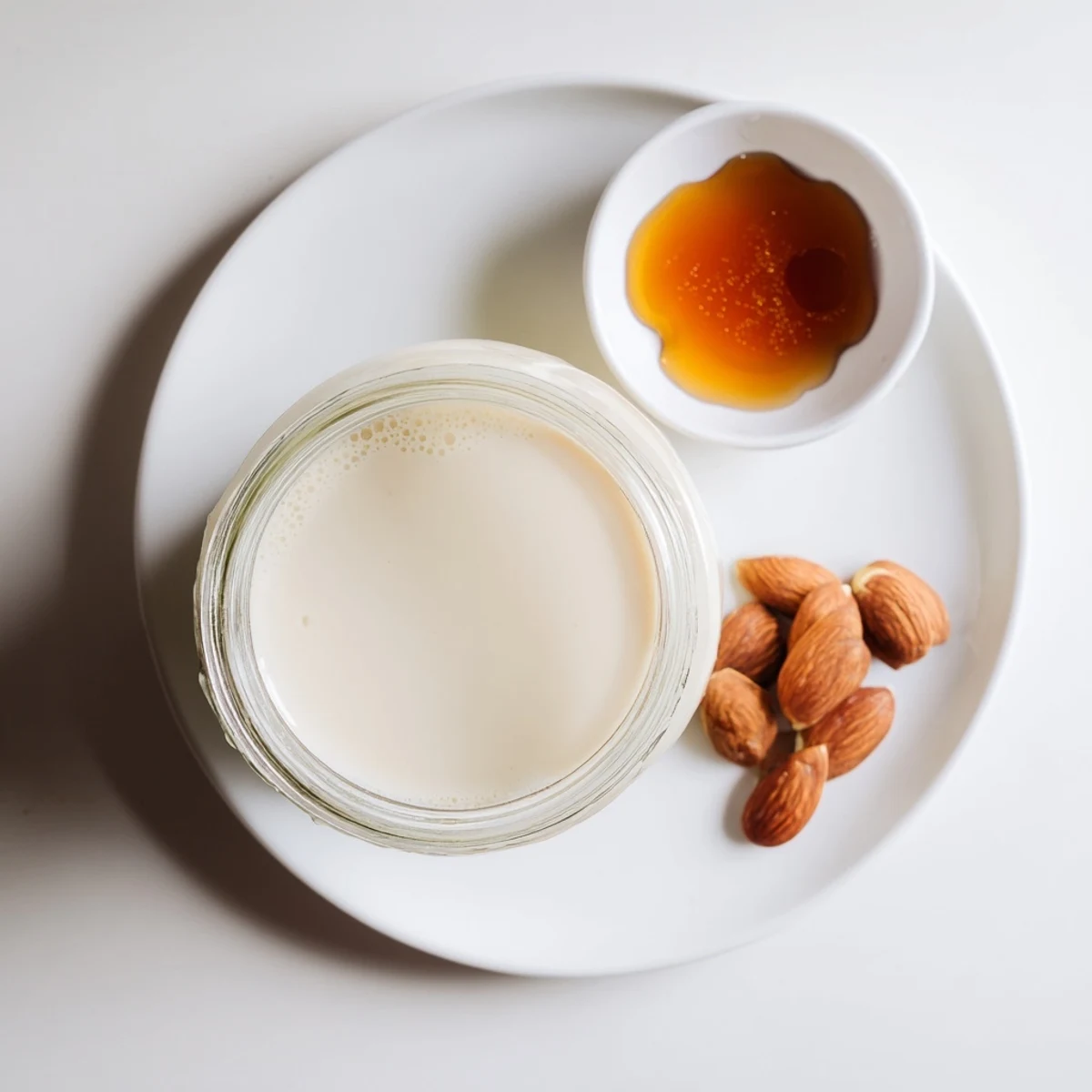
Save Making almond milk became a small weekend ritual for me, a quiet ten minutes with the hum of the blender and the satisfaction of something wholesome made by hand. It turned a mundane grocery staple into a moment I actually look forward to.
Storing Your Fresh Almond Milk
Homemade almond milk separates naturally because it lacks the stabilizers found in commercial brands, so a quick shake before each use is completely normal and actually a sign of purity. Keep it in a tightly sealed glass jar in the coldest part of your refrigerator and it will stay fresh for up to four days.
What To Do With Leftover Almond Pulp
The leftover pulp is nutrient dense and versatile, so please do not toss it out. I spread it on a baking sheet, dry it at a low oven temperature, and pulse it into almond flour for later use in cookies and energy bites.
Fun Flavor Variations to Try
Once you master the basic recipe, the variations are where the real fun begins and your mornings get a lot more interesting.
- Stir in a tablespoon of cocoa powder and a touch of sweetener for instant chocolate almond milk.
- Add half a teaspoon of cinnamon during blending for a warm, comforting twist on the classic.
- A splash of strong coffee blended in creates a surprisingly delicious creamer alternative for iced lattes.
 Save
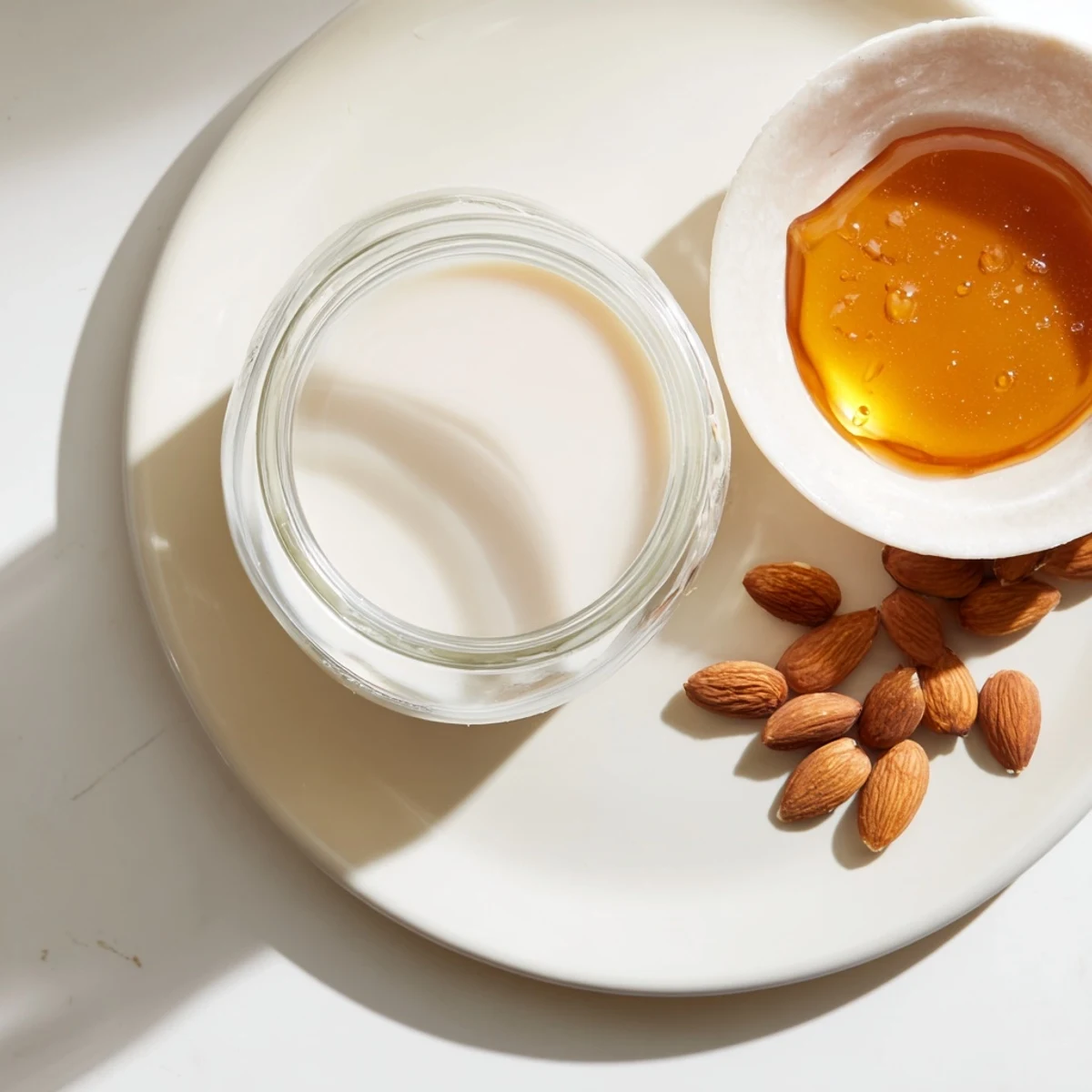
Save Once you taste homemade almond milk, the store bought version will never satisfy you again. It is simple, pure, and absolutely worth the ten minutes.
Recipe FAQs
- → Do I need to soak the almonds first?
-
Yes, soaking almonds overnight or for at least 8 hours softens them, making blending easier and resulting in smoother milk. Proper soaking also helps release nutrients and makes the almonds more digestible.
- → How long does homemade almond milk last?
-
Freshly made almond milk stays fresh in the refrigerator for 3 to 4 days when stored in a clean, airtight glass container. Always shake well before pouring, as natural separation occurs. Give it a sniff test before use—if it smells sour, it's time to make a fresh batch.
- → Can I make almond milk without a nut milk bag?
-
A nut milk bag works best, but you can substitute with several layers of cheesecloth, a fine mesh sieve, or even a clean cotton t-shirt. Nut milk bags tend to yield more milk and create a smoother texture, but alternatives will still produce delicious results.
- → What can I do with the leftover almond pulp?
-
The almond pulp is incredibly versatile. Dry it in the oven at a low temperature and use as almond flour in baking. Add wet pulp directly to smoothies, oatmeal, or energy balls. You can also mix it into homemade granola or use it as a base for raw cookies and crackers.
- → Can I skip the sweeteners?
-
Absolutely. Pure almond milk with just almonds and water has a subtly sweet, nutty flavor that many people prefer. Add maple syrup, honey, dates, or vanilla only if you enjoy a sweeter taste profile. This also makes it more versatile for savory cooking applications.
- → Is homemade cheaper than store-bought?
-
Making your own almond milk is typically more economical than purchasing premium brands. One cup of raw almonds yields about a liter of milk. Plus, you control the ingredients completely—no preservatives, thickeners, or additives. The quality and freshness simply can't be matched by commercial versions.