
 Save
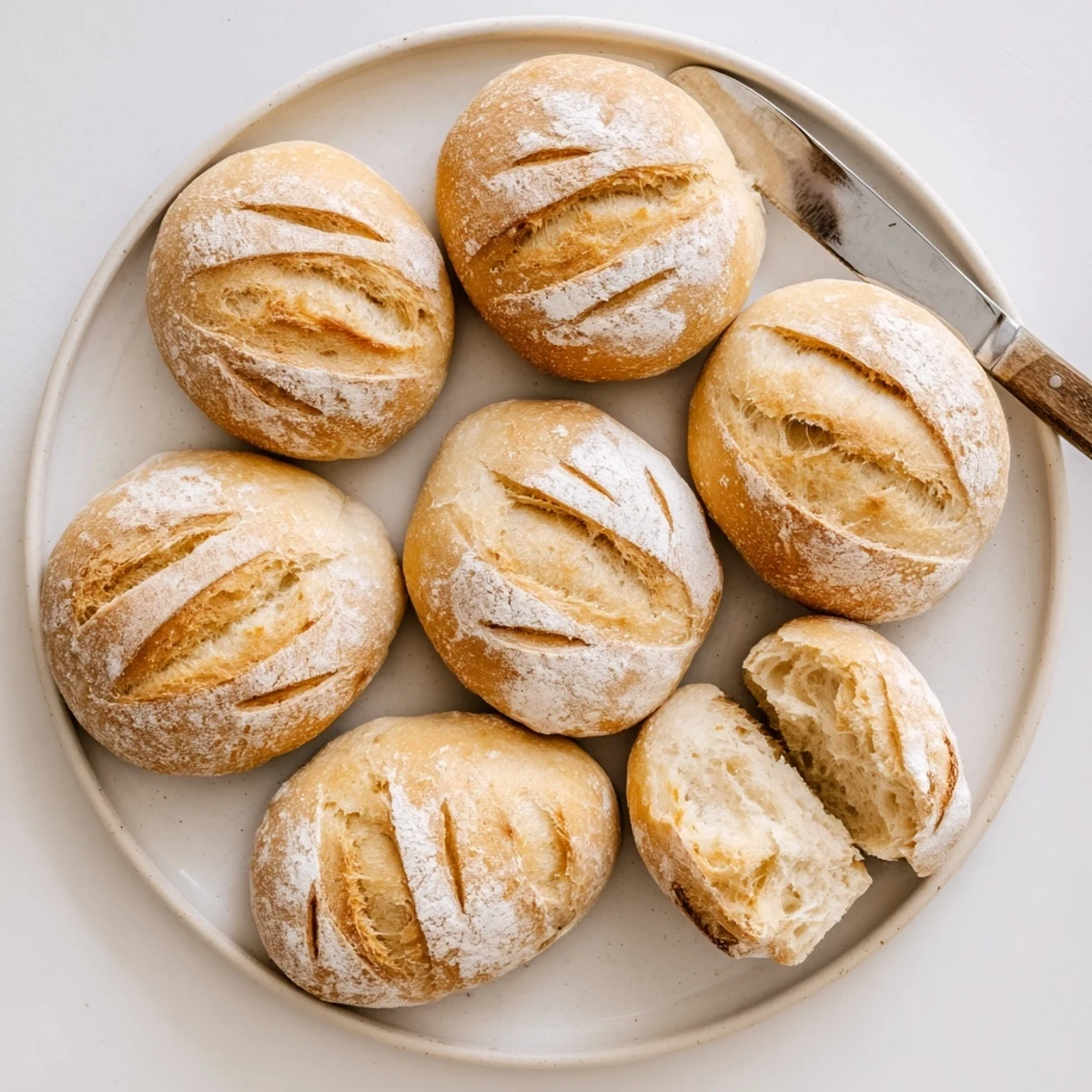
Save These classic French bread rolls feature a beautifully golden crust with soft, tender interiors. The dough requires just five basic ingredients and rises to create eight perfect rolls. The steam technique ensures an authentic crispy exterior.
Each roll delivers satisfying chew and works wonderfully for sandwiches, alongside soups, or simply warmed with butter. The medium difficulty level rewards home bakers with professional-style results.
The smell of baking bread still stops me in my tracks, just like it did when I was a kid walking past the neighborhood bakery on my way home from school. There was something magical about those golden bags tucked under my arm, still warm against my winter coat. Now my own kitchen fills with that same irresistible aroma whenever I make these French rolls. The first time I nailed the perfect crusty exterior and tender crumb, I actually did a little happy dance right there by the oven.
Last summer, my sister came over for dinner and practically inhaled three of these rolls, barely coming up for air between bites. She kept saying they reminded her of our backpacking trip through Paris, where wed duck into tiny boulangeries between museum visits. Now she requests them every time she visits, and Ive stopped pretending Im making them from scratch.
Ingredients
- Bread flour: The higher protein content creates that perfect chewy texture and helps the rolls develop structure
- Lukewarm water: activates the yeast without killing it, think bathwater temperature
- Active dry yeast: The living magic that makes everything rise and develop those gorgeous air pockets
- Salt: Do not skip this, it is what keeps the bread from tasting like plain cardboard
- Sugar: Just a tiny pinch feeds the yeast and helps that beautiful golden color develop
Instructions
- Wake up the yeast:
- Stir the sugar and yeast into your lukewarm water, then walk away for about ten minutes. Come back to find a foamy, bubbly layer on top, that is your cue that everything is alive and ready to work.
- Build the dough:
- Pour in your flour and salt, then mix until it all comes together into a shaggy ball. Turn it out onto a clean surface and knead for a good ten minutes, until the dough feels smooth and springs back when you poke it.
- Let it rise:
- Place your dough in a lightly oiled bowl, cover it with a damp cloth, and find the warmest spot in your kitchen. Let it double in size, which usually takes about an hour depending on how cold your house is.
- Shape the rolls:
- Punch down the risen dough gently to release air, then divide it into eight equal pieces. Roll each piece into a smooth ball, tucking the edges underneath to create tension on the surface.
- Second rise:
- Space your rolls on a parchment-lined baking sheet, cover them loosely with a towel, and let them puff up again for about thirty minutes. They should look noticeably plumper and almost touch each other.
- Create steam:
- Preheat your oven to 450°F and place an empty baking tray on the bottom rack. When you are ready to bake, toss a handful of ice cubes into that hot tray to create instant steam.
- Score and bake:
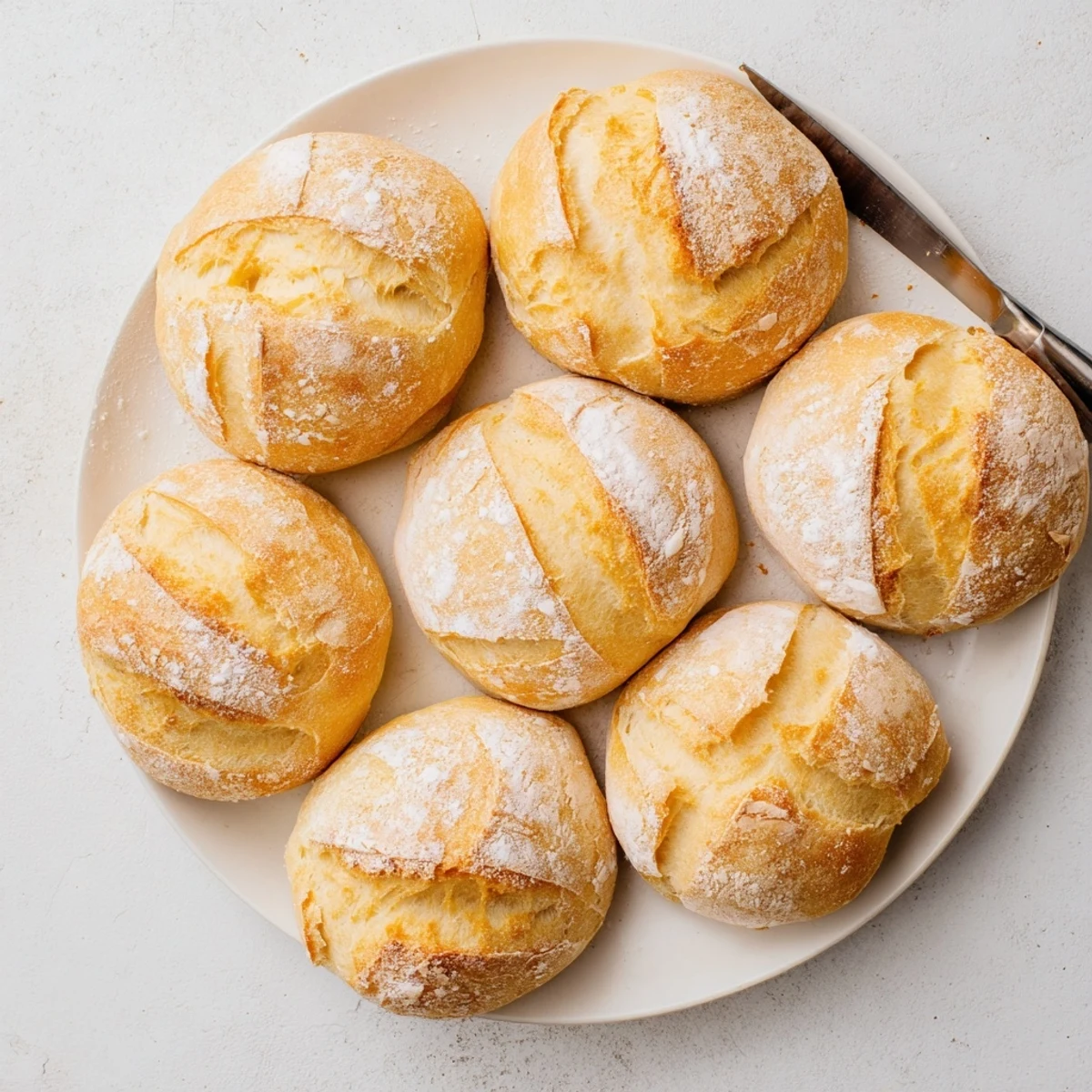
- Dust the tops with a light sprinkle of flour, then use a sharp knife to make a quick slash across each roll. Bake for twenty to twenty five minutes until they are deep golden brown and sound hollow when tapped on the bottom.
 Save
Save My neighbor started texting me whenever she smells bread baking now, knowing there is a good chance she will get to try whatever came out of my oven. There is something about sharing fresh, warm bread that feels like the most basic form of hospitality. These rolls have turned casual weeknight dinners into something that feels special.
Getting That Perfect Crust
The steam trick is the secret that makes these taste like they came from a French bakery. When you toss those ice cubes into the hot tray, the sudden burst of moisture keeps the exterior from hardening too quickly. This allows the rolls to expand fully in the oven, creating those beautiful irregular holes inside and a crust that shatters when you bite into it.
Making Them Your Own
Sometimes I sprinkle sesame seeds on top before baking, or brush them with garlic butter as soon as they come out of the oven. My friend swaps some of the water for milk and adds a handful of shredded cheese for a dinner roll that disappears in minutes. The basic dough is incredibly forgiving and welcomes whatever flavor direction you want to take.
Timing Is Everything
Start these about three hours before you want to eat, factoring in both rise times and baking. The active work is only about twenty minutes, leaving you free to do other things while the dough does its thing. I love that most of the process is hands-off.
- Set a timer for each rise so you do not forget about your dough
- Let the rolls cool for at least ten minutes before slicing into them
- Leftovers make excellent sandwich bread the next day, though they rarely last that long
 Save
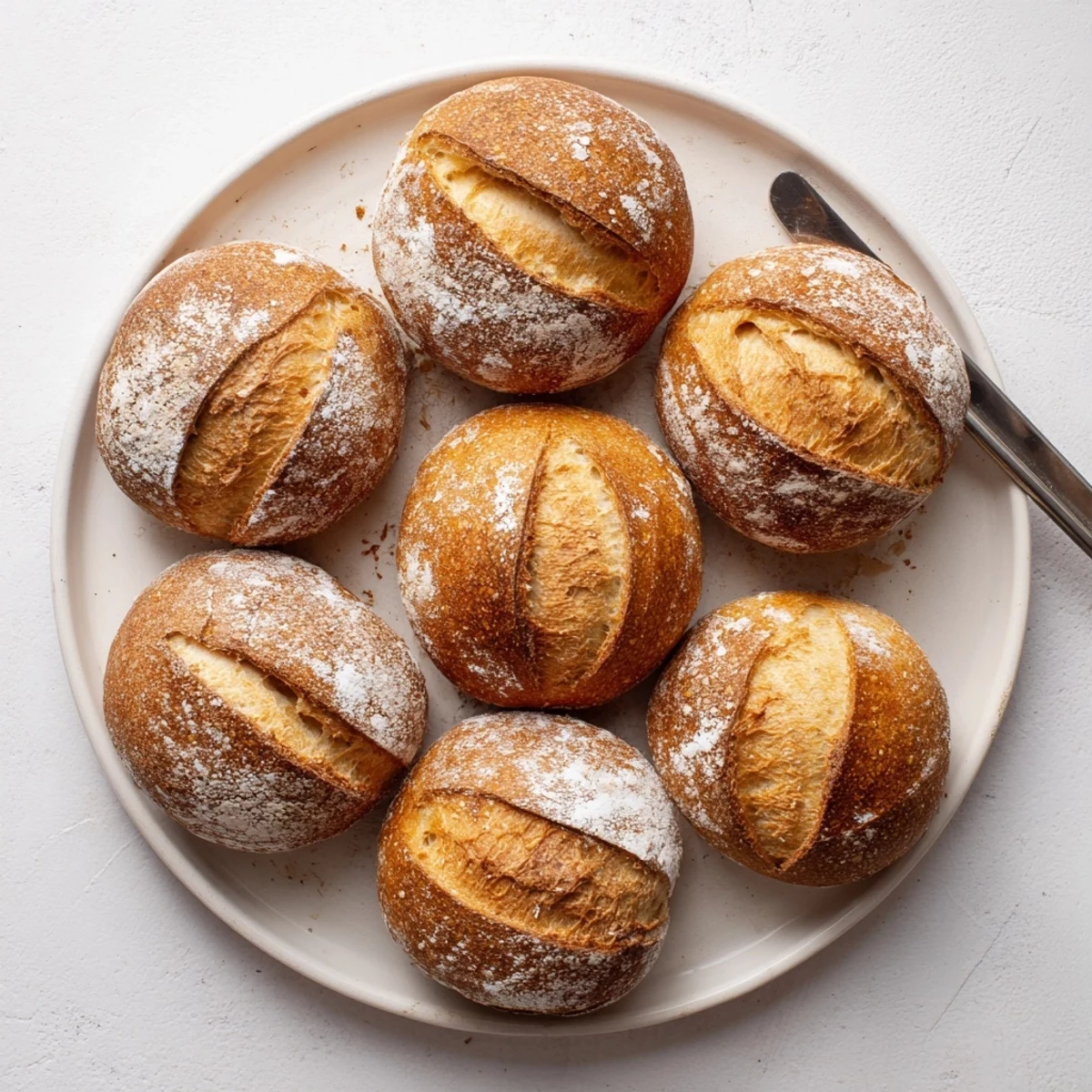
Save There is nothing quite like tearing into a warm roll with your hands, steam rising and butter melting into all those little crevices. These French rolls might just become your new favorite thing to bake.
Recipe FAQs
- → What makes the crust so crispy?
-
The steam from the water tray creates a crispy crust. This technique mimics professional bread ovens by keeping the initial baking environment moist, allowing the exterior to develop maximum crunch.
- → Can I make these rolls ahead of time?
-
Yes, prepare the dough and refrigerate after the first rise. Shape into rolls the next day, let them rise again at room temperature for 40 minutes, then bake as directed.
- → Why is lukewarm water specified?
-
Lukewarm water activates the yeast effectively without killing it. Water that's too hot destroys yeast, while cold water slows activation. The ideal temperature is around 37°C (98°F).
- → How do I know when the dough has doubled?
-
Press two fingers gently into the dough. If the indentation remains and doesn't spring back, the dough has properly risen. Visual doubling is also reliable—the dough should appear noticeably puffy.
- → Can I freeze these rolls?
-
Absolutely. Cool completely, wrap tightly in plastic, then freeze for up to 3 months. Thaw at room temperature and refresh in a 180°C (350°F) oven for 5-8 minutes to restore crispness.
- → What if I don't have bread flour?
-
All-purpose flour works, though rolls may be slightly less chewy. Add 1 teaspoon vital wheat gluten per cup of flour to approximate bread flour's protein content and texture.