
 Save
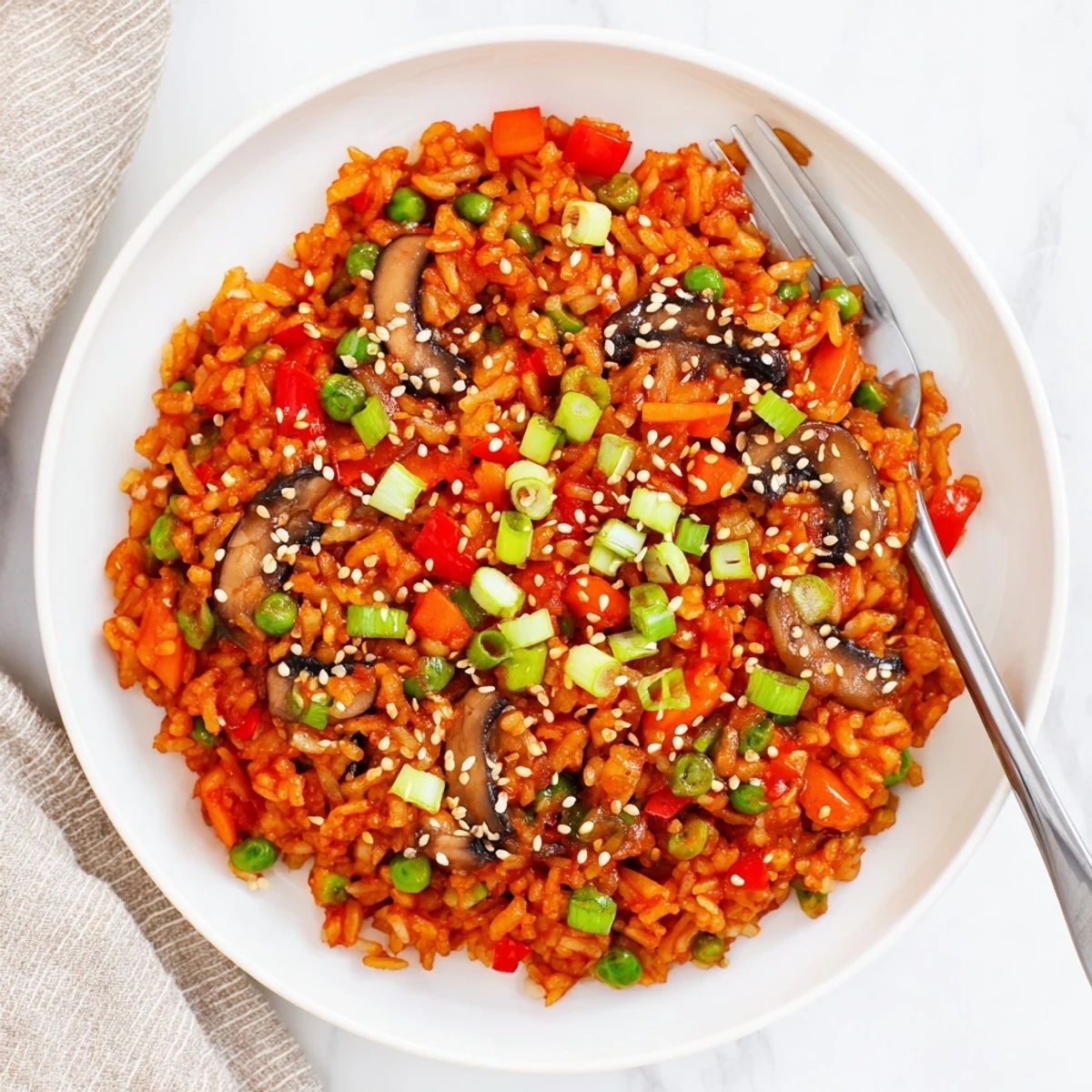
Save This vibrant Korean-inspired fried rice combines spicy gochujang chili paste with crisp vegetables and aromatic rice for a satisfying plant-based meal. The dish comes together in just 30 minutes, making it perfect for busy weeknights when you want something bold and flavorful.
The sauce blends gochujang's signature heat with savory soy sauce, nutty sesame oil, and a touch of sweetness from maple syrup. Day-old rice works best for achieving those coveted crispy edges, while colorful vegetables like bell peppers, carrots, and peas add texture and nutrition.
Customize easily with your favorite vegetables or add protein like baked tofu and edamame. Leftovers store beautifully for meal prep, tasting even better the next day as flavors meld together.
The sizzle of rice hitting a screaming hot wok is one of those sounds that makes everyone in the house wander into the kitchen with curious eyes. My roommate back in college used to keep a tub of gochujang in the fridge and I ignored it for months until one desperate Tuesday when I tossed it into leftover rice with whatever vegetables were dying in the crisper. That sweaty, chaotic little meal changed how I think about weeknight cooking forever.
I served this at a potluck once and a friend who sworn off vegan food went back for thirds, then asked me to write down the recipe on a napkin.
Ingredients
- 3 cups cooked jasmine or short grain rice, preferably day old: Fresh rice turns gummy and sad, so spread leftover rice on a sheet pan and let it dry out uncovered in the fridge overnight.
- 1 medium carrot, diced: Small uniform dice matters here because it cooks fast and distributes sweetness in every bite.
- 1 cup frozen peas: No need to thaw them because the residual heat of the wok takes care of it beautifully.
- 1 red bell pepper, diced: The color against the red sauce is stunning and the crunch balances the soft rice.
- 4 green onions, sliced with white and green parts separated: The whites become an aromatic base and the greens are your fresh finish.
- 2 cloves garlic, minced: Fresh garlic only because the jarred stuff gets lost behind the bold gochujang.
- 1 cup shiitake or button mushrooms, sliced: Shiitake bring an earthy depth but button mushrooms work when that is what you have.
- 3 tbsp gochujang: This is the heart of the dish, so find a vegan brand and taste it plain to understand its salty, sweet, funky personality.
- 2 tbsp soy sauce or tamari: Tamari keeps it gluten free and actually coats the rice a little better.
- 1 tbsp toasted sesame oil: A little goes a long way and adds a nutty perfume that makes the whole kitchen smell like a Korean restaurant.
- 1 tbsp maple syrup or agave: This rounds out the chili heat and brings balance without being obviously sweet.
- 1 tbsp rice vinegar: A splash of acidity lifts everything and keeps the richness from feeling heavy.
- 1 tbsp neutral oil: Vegetable or canola oil handles high heat without burning.
- Sesame seeds and extra green onions for garnish: These are not optional because they add texture and brightness right at the end.
Instructions
- Whisk the sauce:
- Combine the gochujang, soy sauce, sesame oil, maple syrup, and rice vinegar in a small bowl and stir until smooth, giving it a taste to check the balance of heat, salt, and tang.
- Get the wok hot:
- Heat the neutral oil in a large skillet or wok over medium high heat until it shimmers and a tiny drop of water dances on the surface.
- Build the aromatic base:
- Toss in the white parts of the green onions, garlic, and carrots, stir frying for about two minutes until the carrots just barely soften and the garlic smells incredible.
- Add the bell pepper and mushrooms:
- Cook them for two to three minutes, letting the mushrooms surrender their moisture and catch some golden color on the edges.
- Toss in the peas:
- Throw the frozen peas straight in and stir for one minute just until they turn bright green and plump.
- Add the rice and crank the heat:
- Pour in the day old rice, break up every clump with your spatula, and stir fry on high heat for two to three minutes so each grain gets a chance to toast.
- Pour on the sauce:
- Drizzle the gochujang mixture over everything and stir with conviction, coating every grain and letting it cook for another two to three minutes until the rice develops crispy bits on the bottom.
- Finish and serve:
- Kill the heat, fold in the green parts of the green onions, taste for salt, and serve immediately with a generous shower of sesame seeds.
 Save
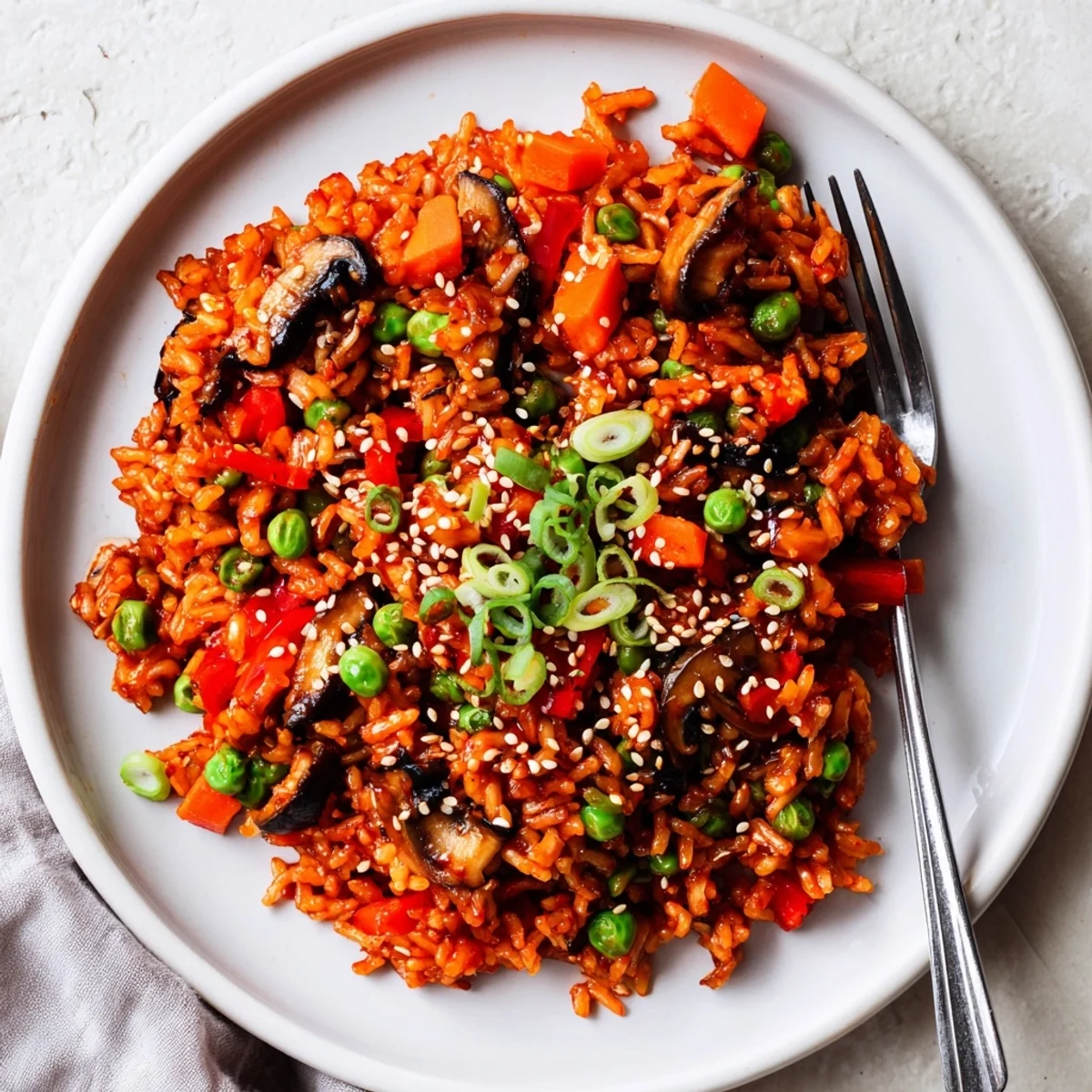
Save There is something quietly magical about a bowl of red stained rice that asks nothing of you but a spatula and twenty minutes of attention.
Making It Your Own
This recipe is a canvas more than a rulebook, and I have thrown in everything from shredded purple cabbage to leftover roasted sweet potato with great results.
Adding Protein Without Fuss
Cubed baked tofu pressed and browned in the wok before the vegetables goes in transforms this from a side dish into a genuinely satisfying dinner. Edamame shelled and tossed in during the last minute is the lazy path that still delivers.
Storing and Reheating Like a Pro
Leftovers keep beautifully in an airtight container in the fridge for up to three days and actually taste better the next day when the sauce has had time to soak into the rice. Reheat in a dry skillet over medium heat rather than the microwave to bring back some of that welcome chew.
- A squeeze of lime juice over the top right before eating wakes up leftovers like nothing else.
- Keep extra gochujang sauce on hand to stir in when reheating because the rice will have absorbed most of it overnight.
- Never freeze fried rice because the texture of the vegetables turns watery and sad upon thawing.
 Save
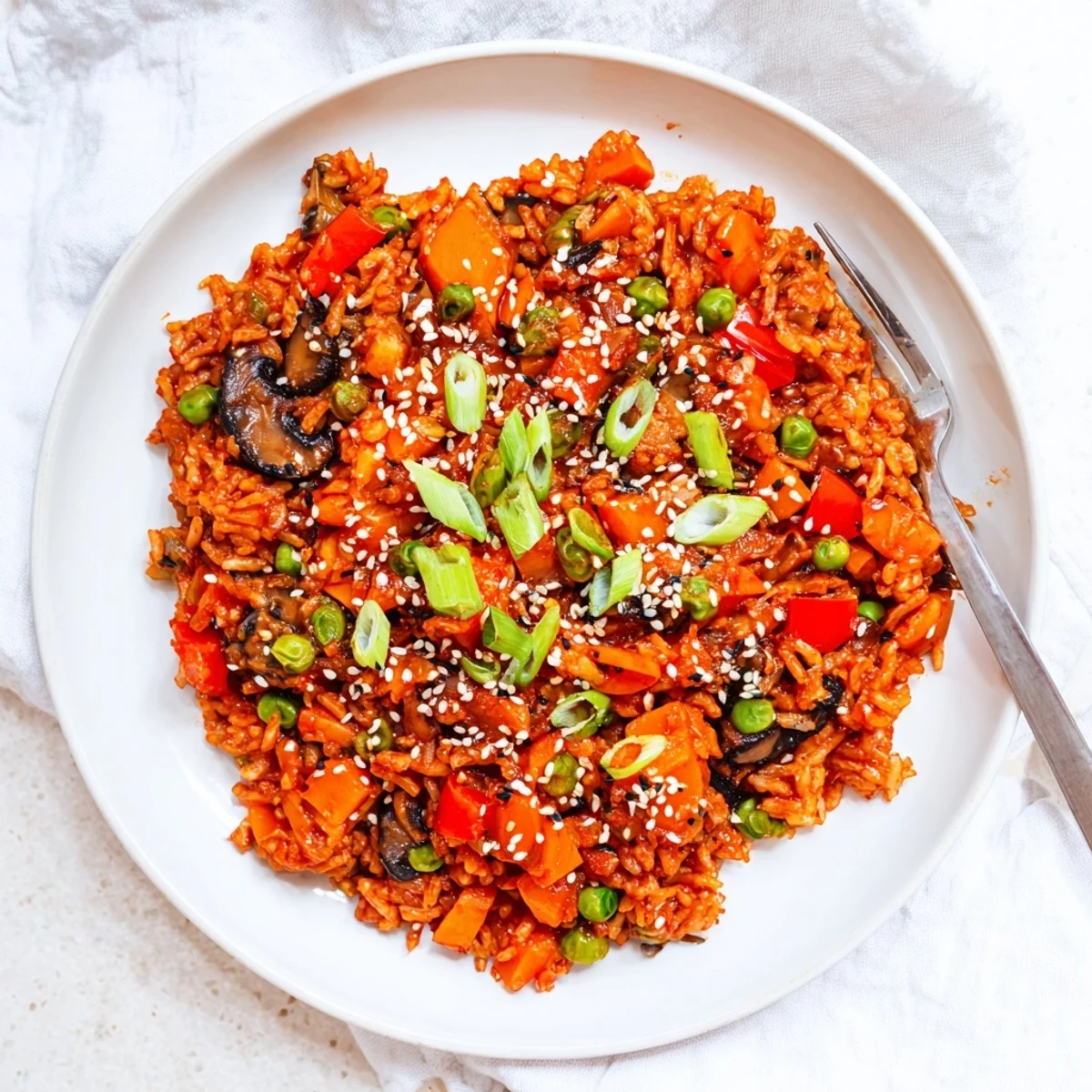
Save Keep a tub of gochujang in your fridge and this recipe will save your tired evenings more times than you can count. Trust the sizzle, trust the sauce, and enjoy every spicy, sticky bite.
Recipe FAQs
- → What is gochujang?
-
Gochujang is a Korean fermented chili paste that adds sweet, savory, and spicy flavors to dishes. Look for vegan versions as some traditional varieties contain fish products.
- → Why use day-old rice?
-
Day-old rice has less moisture, which prevents the dish from becoming mushy and helps achieve those delicious crispy edges when stir-frying.
- → Can I make this gluten-free?
-
Yes, simply use gluten-free tamari instead of soy sauce and verify your gochujang is certified gluten-free, as some brands contain wheat.
- → How spicy is this dish?
-
The heat level depends on your gochujang brand and amount used. Start with 2 tablespoons for mild-medium spice, or increase to 4 tablespoons for extra heat.
- → What protein additions work well?
-
Cubed baked tofu, edamame, chickpeas, or tempeh make excellent protein additions without overpowering the Korean flavors.
- → How long do leftovers keep?
-
Store in an airtight container in the refrigerator for up to 3 days. Reheat in a skillet to restore crispy texture.