
 Save
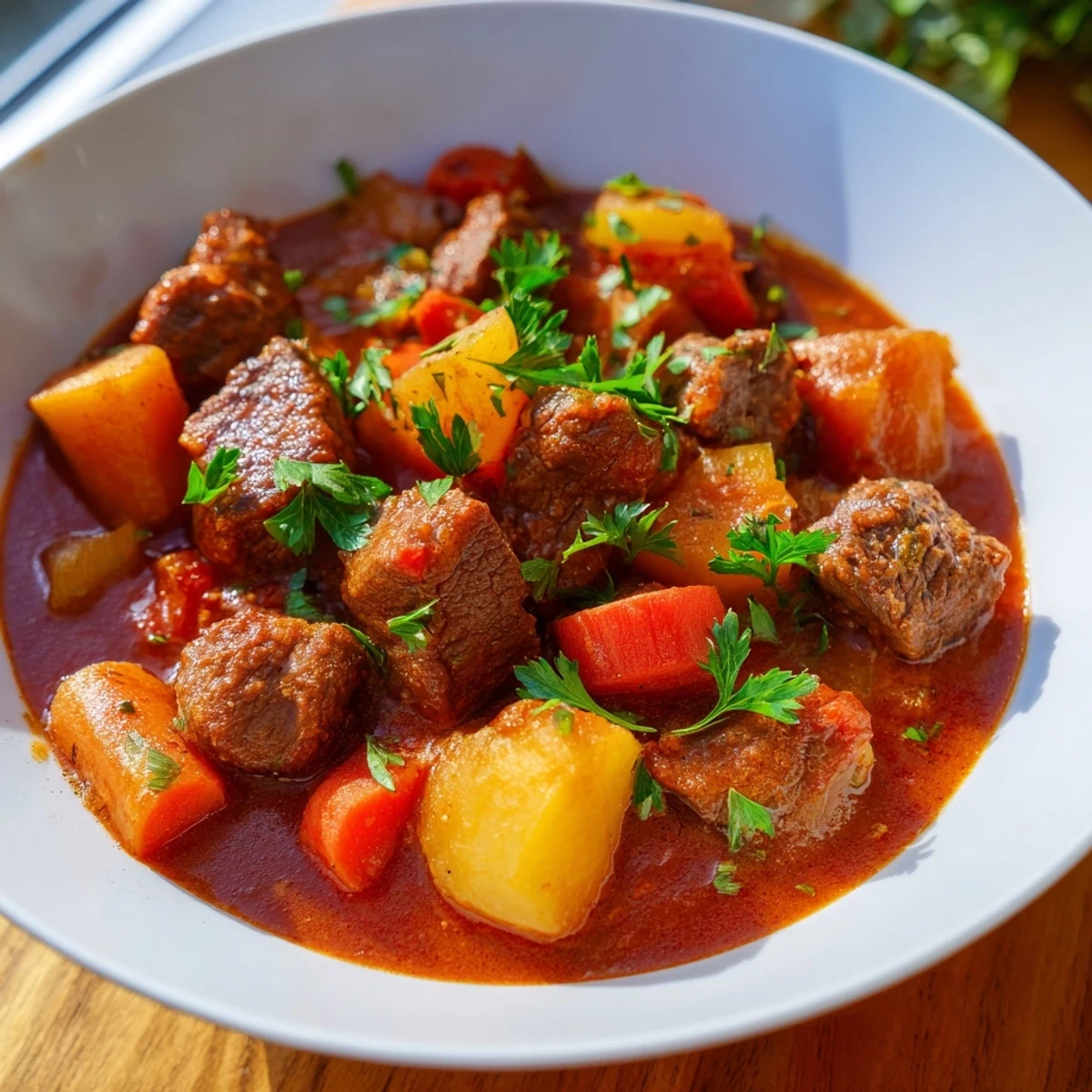
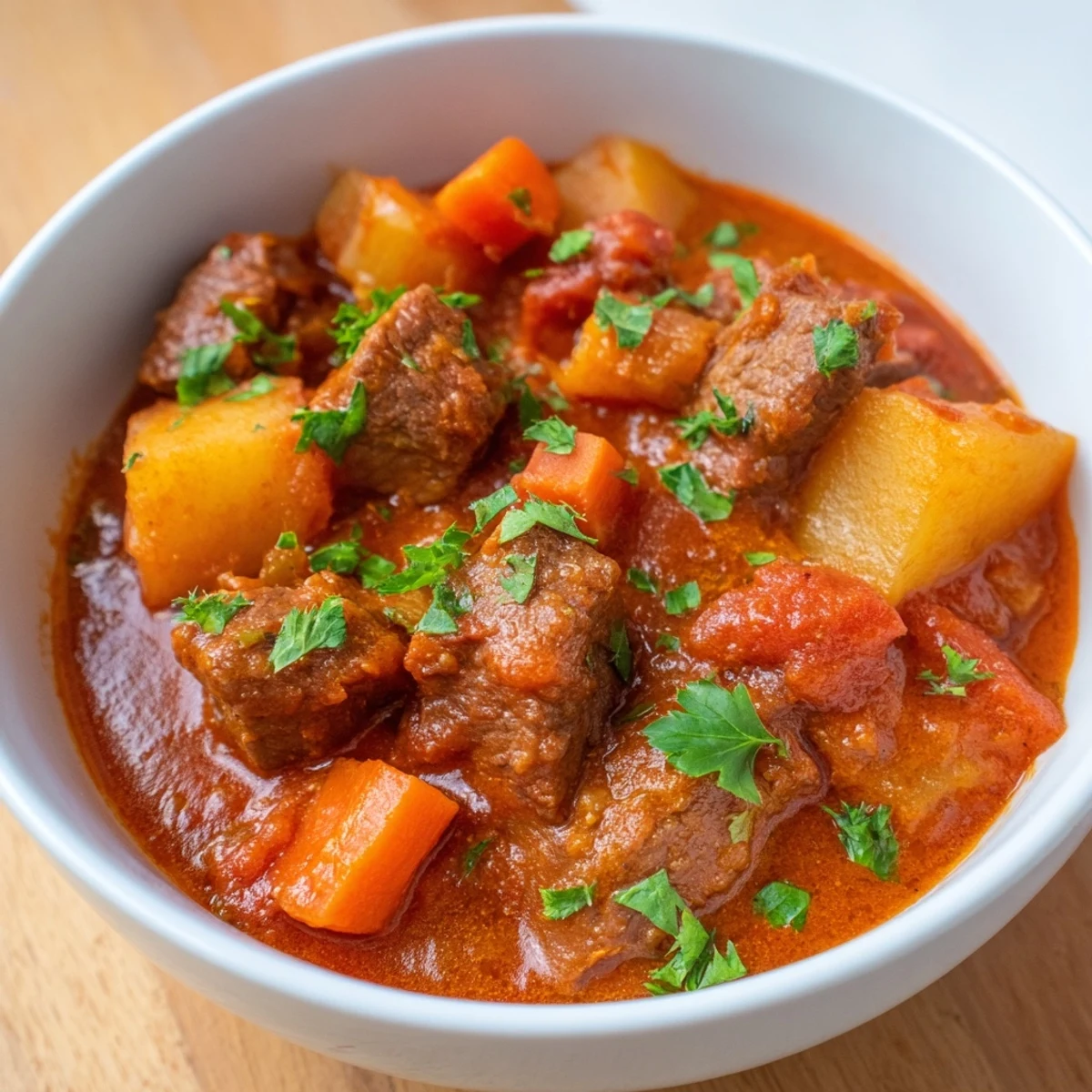
Save This traditional Italian comfort dish features beef cubes slowly braised in a rich tomato and red wine sauce with aromatic vegetables. The meat becomes fork-tender after simmering for nearly two hours, while carrots, celery, onions, and potatoes absorb the savory flavors. Fresh herbs like rosemary, thyme, and bay leaves infuse the dish with authentic Mediterranean aromas. Perfect for family dinners or meal prep, this hearty stew tastes even better the next day and pairs beautifully with crusty bread or creamy polenta.
The rain hammered against the kitchen window that Tuesday evening, and the only thing standing between me and total despair was a kilo of beef stewing meat staring back from the cutting board. There is something deeply civilized about browning meat while the world outside falls apart. I had recently returned from a trip to EmiliaRomagna where a tiny trattoria served me something that redefined what stew could be. That bowl of spezzatino, rich with wine and studded with tender vegetables, haunted me for weeks until I finally attempted it at home.
I called my neighbor Luca over the fence the first time I made this, asking if my red wine reduction looked right, and he ended up staying for the entire pot. We sat at the table until midnight, tearing through a loaf of bread and arguing about whether rosemary or thyme mattered more. The answer, it turns out, is both.
Ingredients
- 1 kg beef stewing meat, cut into 3 cm cubes: Choose well marbled pieces from the chuck or shoulder, as the fat renders into silk during the long simmer.
- 2 medium carrots, peeled and sliced: They melt into the broth and give a subtle sweetness that balances the wine.
- 2 stalks celery, diced: Celery is the quiet backbone of Italian soffritto, never the star but always missed when absent.
- 1 large onion, finely chopped: A yellow onion works best here, sweating down until it practically disappears into the sauce.
- 2 medium potatoes, peeled and cubed: Adding them later in the process keeps them from turning to mush while still thickening everything.
- 2 cloves garlic, minced: Fresh garlic crushed just before cooking gives a brighter punch than pre minced jars ever could.
- 400 g canned chopped tomatoes: San Marzano if you can find them, their low acidity makes a noticeable difference.
- 250 ml dry red wine: Use something you would actually drink, because the flavor concentrates as it reduces.
- 500 ml beef stock: Homestock is ideal, but a good quality shop bought version works fine on a weeknight.
- 2 tbsp olive oil: A generous glug for searing the meat is nonnegotiable.
- 2 bay leaves, 1 sprig rosemary, 2 sprigs thyme: These three herbs together create the unmistakable aroma of an Italian kitchen.
- Salt and black pepper: Season gradually and taste as you go, the stock already carries salt.
- Chopped fresh parsley: A handful at the end wakes everything up with fresh color and flavor.
Instructions
- Sear the beef:
- Pat the cubes dry with paper towels and drop them into hot oil in your heaviest pot, letting them develop a deep brown crust without crowding the pan. Work in batches and listen for that aggressive sizzle that tells you the Maillard reaction is doing its job.
- Build the soffritto:
- Toss the onion, carrots, celery, and garlic into the same pot with all those caramelized bits still clinging to the bottom. Stir gently for about five minutes until everything softens and your kitchen smells like a Tuscan farmhouse.
- Deglaze with wine:
- Slide the beef back in and pour the red wine over everything, scraping up the fond with your wooden spoon as the liquid bubbles and reduces. Let it simmer for two to three minutes until the sharp alcohol smell softens into something richer.
- Add tomatoes and stock:
- Pour in the chopped tomatoes and beef stock, then tuck the bay leaves, rosemary, and thyme into the liquid. Give everything a gentle stir to combine and bring it to a rolling boil.
- Slow simmer:
- Drop the heat to low, cover the pot, and let it barely bubble for an hour and a half, lifting the lid occasionally to give it a stir. This is when the tough collagen in the beef breaks down and the sauce begins to taste like comfort itself.
- Add potatoes and finish:
- Tumble in the cubed potatoes, season with salt and pepper, and leave the lid off for another thirty minutes so the sauce reduces and coats everything in a glossy glaze. The stew is ready when a fork slides through the beef with no resistance.
- Rest and serve:
- Fish out the bay leaves and woody herb stems, taste for seasoning, and ladle into deep bowls over polenta or alongside crusty bread. Scatter fresh parsley over the top and serve immediately.
 Save
Save There is a particular kind of silence that falls over a dinner table when everyone is too busy eating to speak. That silence, punctuated only by the tear of bread against the bowl, is how you know you got it right.
Serving Suggestions That Actually Work
Soft polenta is my preferred landing pad for spezzatino, its creamy blandness being the perfect counterpoint to the rich meaty sauce. Crusty bread is the traditional partner and arguably the easier choice on a busy night. I have also served this over buttered pappardelle when feeding a crowd, and not a single strand survived.
What I Learned After Making This Fifty Times
The biggest leap in flavor came when I started marinating the beef overnight in red wine with a crushed garlic clove and a few herb sprigs tucked into the bag. It adds maybe five minutes of prep the night before but pays for itself tenfold in depth. On nights when I skip it, the stew is still wonderful, just slightly less haunting. I also learned to use the wine I cooked with as the wine I served alongside, which is either brilliant or an excuse to open a Chianti.
Storing and Reheating
This stew improves dramatically overnight as the flavors settle and mingle in the refrigerator. Store it in a sealed container for up to three days, or freeze portions for up to three months. Reheat gently on the stovetop over low heat, adding a splash of stock if the sauce has thickened too much.
- Freeze in flat portions so they thaw quickly on busy weeknights.
- Skim the solidified fat off the top before reheating for a cleaner tasting sauce.
- Always reheat gently, as boiling can toughen the already tender meat.
 Save
Save Some recipes are just dinner, but spezzatino is the reason I keep a heavy pot on the stove and a bottle of red within arm's reach. Make it once and it becomes part of your rotation forever.
Recipe FAQs
- → What cut of beef works best for spezzatino?
-
Chuck, shoulder, or brisket are ideal choices as these tougher cuts become tender and flavorful during slow braising. Cut the meat into uniform 3 cm cubes for even cooking.
- → Can I make this in a slow cooker?
-
Yes, brown the meat and vegetables first, then transfer everything to your slow cooker. Cook on low for 6-8 hours or high for 3-4 hours until the beef is tender.
- → What wine should I use?
-
A dry Italian red like Chianti, Barbera, or Sangiovese works beautifully. Avoid cooking wines and choose something you'd enjoy drinking, as the flavor concentrates during simmering.
- → How long does this keep in the refrigerator?
-
Stored in an airtight container, the stew keeps well for 3-4 days. The flavors actually develop and improve overnight, making it excellent for meal prep.
- → Can I freeze spezzatino?
-
Absolutely. Cool completely before transferring to freezer-safe containers. It freezes well for up to 3 months. Thaw overnight in the refrigerator before reheating gently on the stovetop.
- → What should I serve with this?
-
Crusty Italian bread, creamy polenta, mashed potatoes, or simply crusty bread to soak up the rich sauce. A green salad with vinaigrette balances the hearty main dish.