
 Save
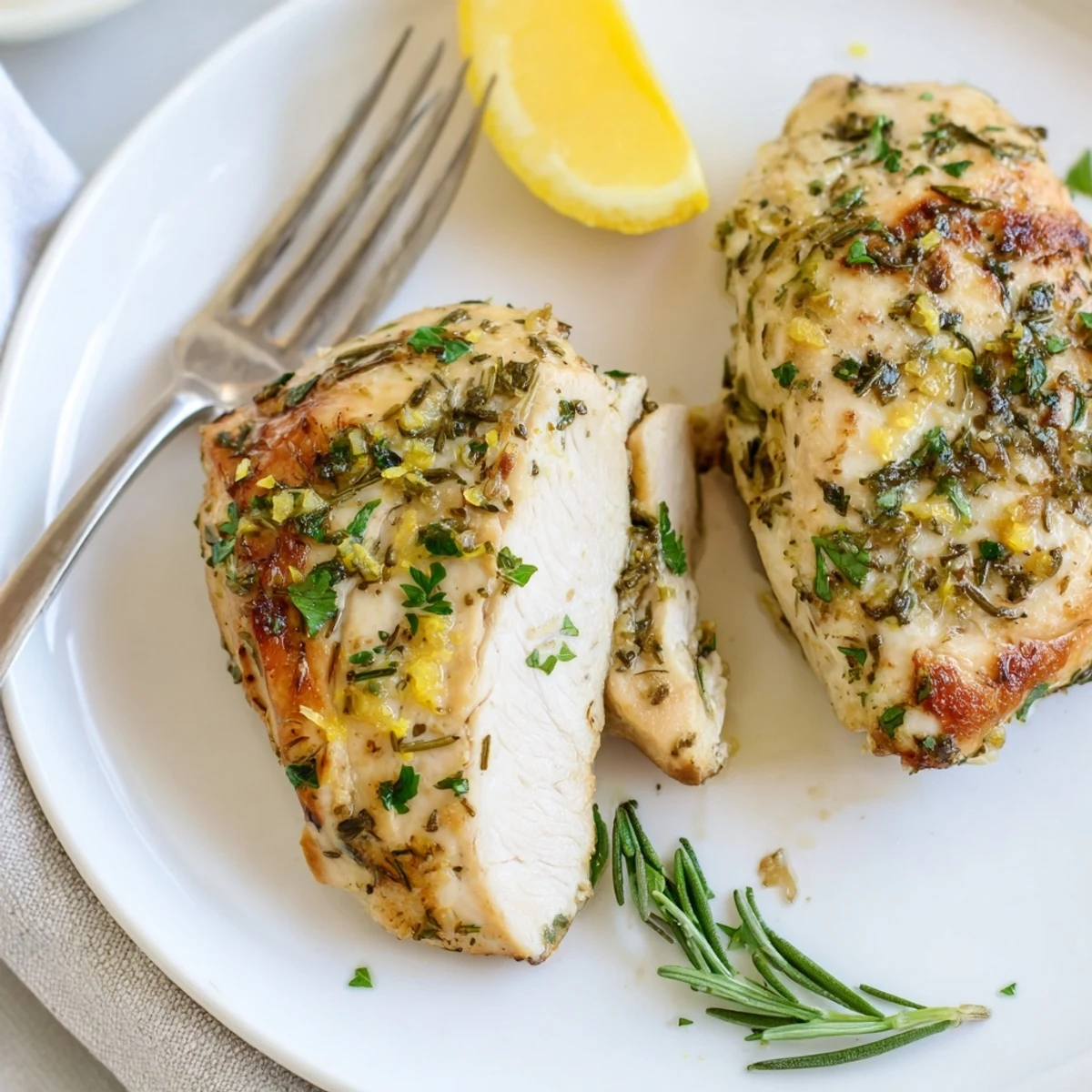
Save This garlic herb chicken features boneless breasts coated in a vibrant marinade of olive oil, minced garlic, fresh rosemary, thyme, and bright lemon zest. Oven-roasted at 200°C until perfectly juicy, each piece develops a golden exterior while staying tender inside.
Ready in just 45 minutes with 15 minutes of prep, it's an easy weeknight dinner that feels elegant enough for entertaining. Serve alongside roasted vegetables, a crisp green salad, or fluffy steamed rice for a complete gluten-free, low-carb meal.
The smell of garlic and rosemary hitting a hot oven pan on a rainy Tuesday evening is the kind of thing that makes you forget the entire day leading up to it. I threw this together once with half wilted herbs from the back of the crisper drawer and it still tasted like something from a restaurant kitchen. That is the magic of garlic and chicken working together. They do all the heavy lifting while you barely try.
My neighbor Karen knocked on my door the night I first made this asking what smelled so good she could detect it from her hallway. I ended up sending her home with a plate and she texted me the recipe the next morning asking if I would write it down for her. That felt like the highest compliment a home cook can get.
Ingredients
- Boneless skinless chicken breasts (4, about 150 g each): Even thickness matters more than anything else here so pound them flat if they are uneven or the thin ends will dry out before the thick parts finish cooking.
- Olive oil (3 tablespoons): This carries the herb flavor into every crevice of the meat and keeps the surface from drying out in the oven heat.
- Garlic cloves (4, minced): Fresh garlic is non negotiable for this one since the jarred stuff loses the sharp sweetness that makes this dish sing.
- Fresh rosemary (1 tablespoon finely chopped): Strip the needles from the woody stem and chop finely because big chunks can taste bitter after roasting.
- Fresh thyme leaves (1 tablespoon): Pull the leaves backward off the stem with your fingers and they will fall right off without any effort.
- Fresh parsley (1 tablespoon finely chopped): Flat leaf parsley has more flavor than curly and holds up better under heat.
- Lemon zest (from 1 lemon): Zest before you juice and avoid the bitter white pith underneath the yellow skin.
- Lemon juice (1 tablespoon): Just enough brightness to cut through the richness of the oil without making the chicken taste acidic.
- Salt (1 teaspoon): Do not skimp on this because salt is what wakes up the garlic and herbs and makes them taste like something.
- Black pepper (1/2 teaspoon): Freshly cracked is always better but the pre ground stuff will work in a pinch.
- Extra parsley and lemon wedges for garnish: Totally optional but a squeeze of lemon at the table really does change the whole experience.
Instructions
- Warm up the oven:
- Set your oven to 200 degrees Celsius which is 400 Fahrenheit and let it come fully to temperature while you prepare the chicken. A properly preheated oven gives you that golden slightly caramelized exterior.
- Build the marinade:
- In a small bowl stir together the olive oil, minced garlic, rosemary, thyme, parsley, lemon zest, lemon juice, salt, and pepper until everything is well combined. Take a moment to smell it because that herb paste is the heart of the entire dish.
- Prep the chicken:
- Pat each chicken breast dry with paper towels which helps the marinade stick and promotes better browning. Rub the herb mixture over every surface using your hands and really work it into the meat.
- Arrange for roasting:
- Place the coated breasts on a parchment lined baking sheet or in a lightly oiled baking dish leaving space between each piece so hot air can circulate. Crowding the pan leads to steaming instead of roasting and you lose that lovely golden crust.
- Roast until done:
- Bake for 25 to 30 minutes and check with a meat thermometer at the thickest part looking for 74 degrees Celsius or 165 Fahrenheit. The juices should run completely clear when you cut into the meat with no pink remaining.
- Let it rest:
- Remove the chicken from the oven and let it sit untouched for a full five minutes before slicing. This rest period lets the juices redistribute through the meat so they do not pour out onto your cutting board.
- Serve it up:
- Plate the chicken with a scatter of fresh parsley and lemon wedges on the side for anyone who wants an extra hit of brightness. Watch people go quiet at the table because that is how you know a meal is working.
 Save
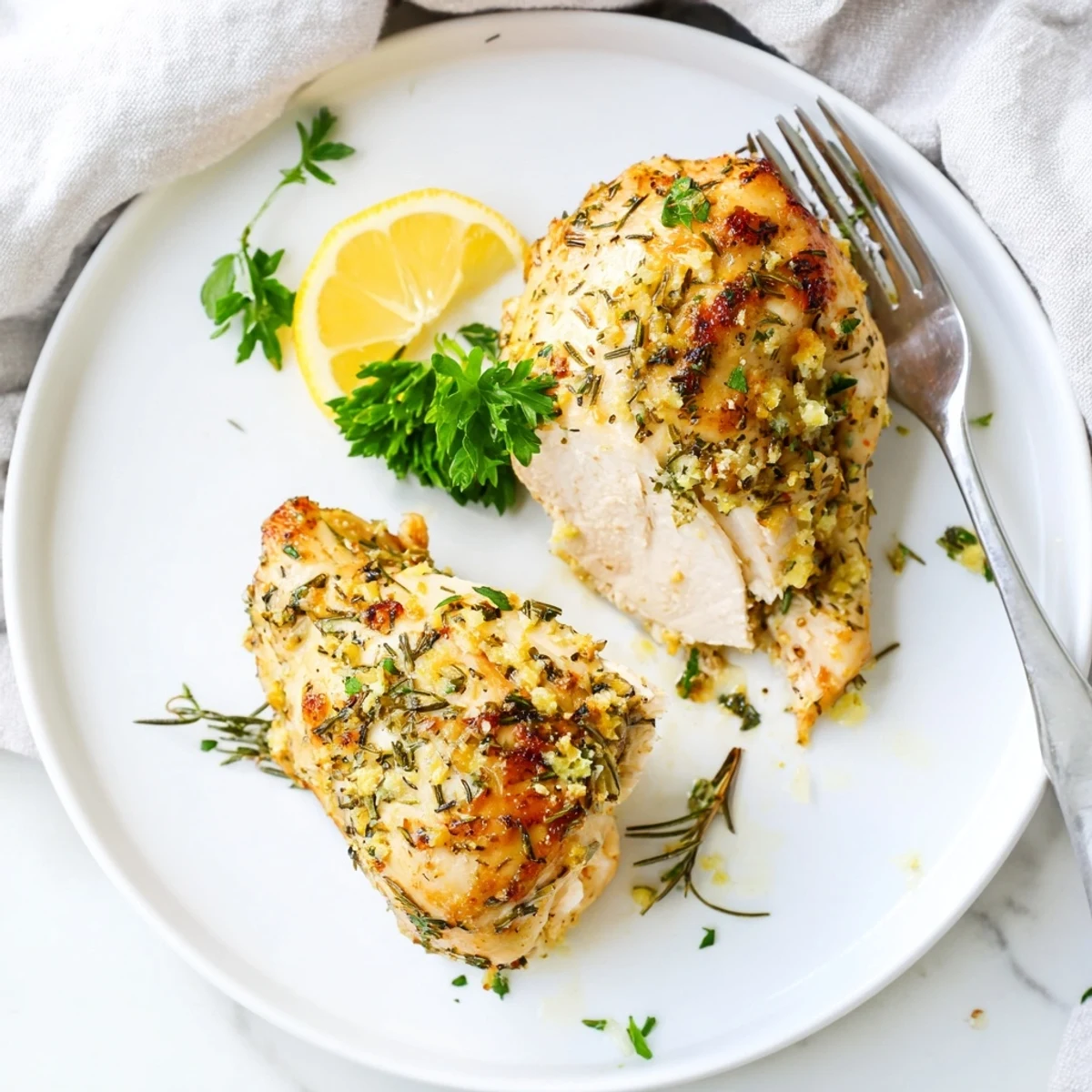
Save There is something deeply satisfying about pulling golden herb crusted chicken from the oven and hearing that subtle sizzle as it hits the counter. It becomes more than dinner at that point. It becomes the moment where the kitchen finally feels like yours.
What to Serve Alongside This
Roasted vegetables are the obvious choice and honestly hard to beat when you toss them on the same sheet pan with the chicken during the last fifteen minutes. A simple green salad with vinaigrette cuts the richness beautifully. Steamed rice or crusty bread works too if you want something to soak up the juices that pool on the plate.
When Fresh Herbs Are Not Available
Dried herbs will absolutely work in a pinch but use one third of the fresh amount since dried herbs are more concentrated in flavor. I have made this with nothing but dried Italian seasoning blend and it still disappeared off the plates. The garlic and lemon do so much of the work that the herbs are supporting players rather than the star.
Small Things That Make a Big Difference
A few tiny adjustments can push this from good to memorable without any extra effort. These are the things I learned after making this dish probably thirty times and each one made me wonder why I did not start doing it sooner.
- Add one tablespoon of melted butter to the marinade if you want a richer more indulgent finish.
- Pound the chicken to even thickness before marinating so every piece cooks at the same rate.
- Check the temperature at twenty minutes rather than thirty because ovens vary wildly and overcooked chicken cannot be forgiven.
 Save
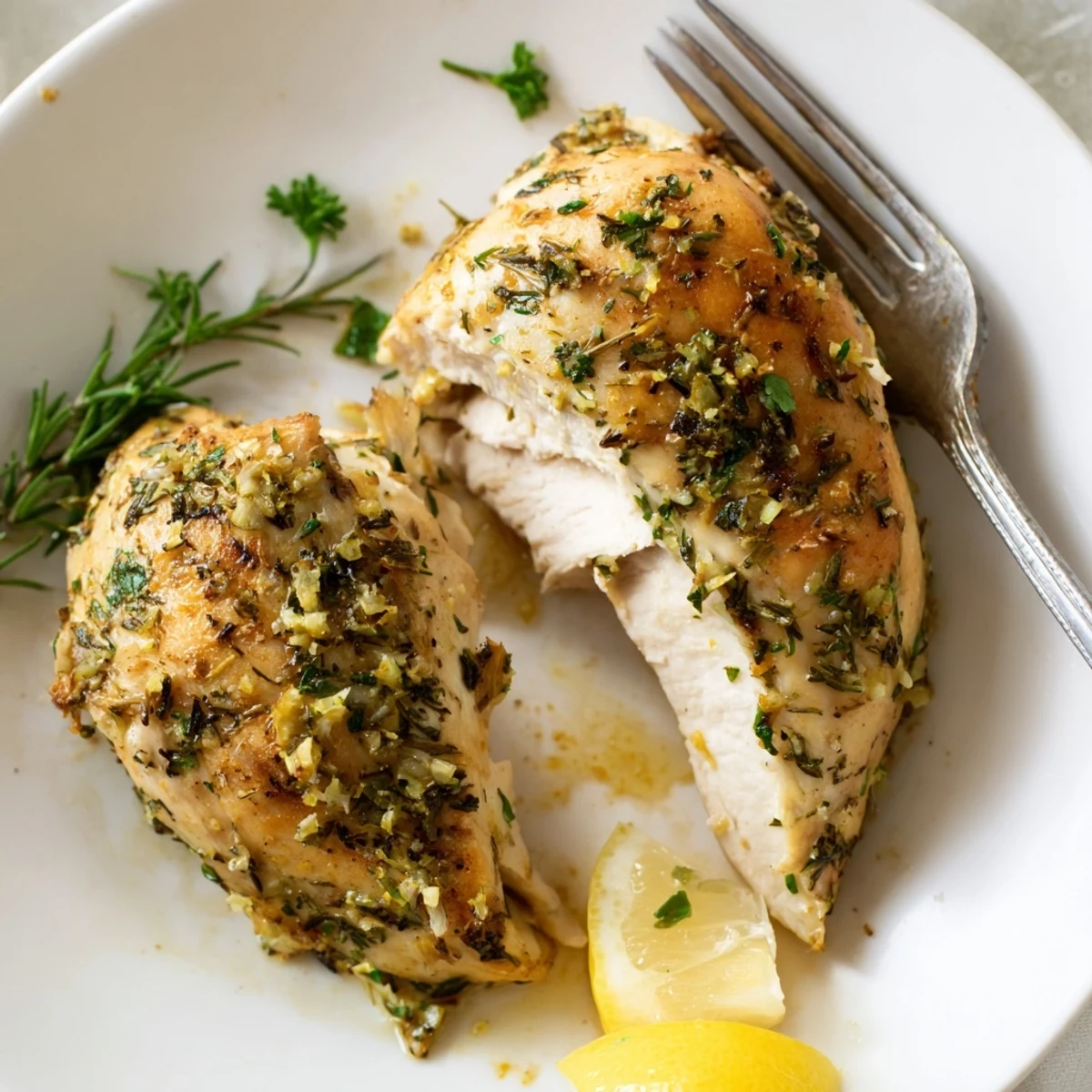
Save This is the kind of recipe that stays with you because it asks almost nothing and gives everything back. Keep it in your back pocket for any night that needs rescuing.
Recipe FAQs
- → What internal temperature should the chicken reach?
-
The chicken is fully cooked and safe to eat when the internal temperature reaches 74°C (165°F). Use a meat thermometer inserted into the thickest part of the breast to check for doneness. The juices should also run clear when pierced.
- → Can I marinate the chicken ahead of time?
-
Yes, you can marinate the chicken for up to 4 hours in the refrigerator. This extra time allows the garlic, herbs, and lemon to penetrate deeper into the meat, resulting in even more flavorful and juicy chicken.
- → Can I use dried herbs instead of fresh?
-
Absolutely. Substitute each tablespoon of fresh herbs with one teaspoon of the dried variety. Dried rosemary, thyme, and parsley all work well in the marinade. A pre-mixed blend of dried herbs is also a convenient shortcut.
- → What should I serve with garlic herb chicken?
-
This dish pairs beautifully with roasted vegetables, a green salad, or steamed rice. For a heartier meal, try it alongside mashed potatoes or crusty bread. A glass of Chardonnay or Sauvignon Blanc complements the herb and garlic flavors nicely.
- → How should I store and reheat leftovers?
-
Store leftover chicken in an airtight container in the refrigerator for up to 3 days. To reheat, place in a 180°C (350°F) oven for about 10 minutes or until warmed through. Avoid microwaving if possible, as it can dry out the chicken.
- → Can I use chicken thighs instead of breasts?
-
Yes, boneless skinless chicken thighs work great and tend to stay even juicier. Adjust the cooking time slightly, as thighs may need an additional 5 minutes in the oven to reach the same 74°C (165°F) internal temperature.