
 Save
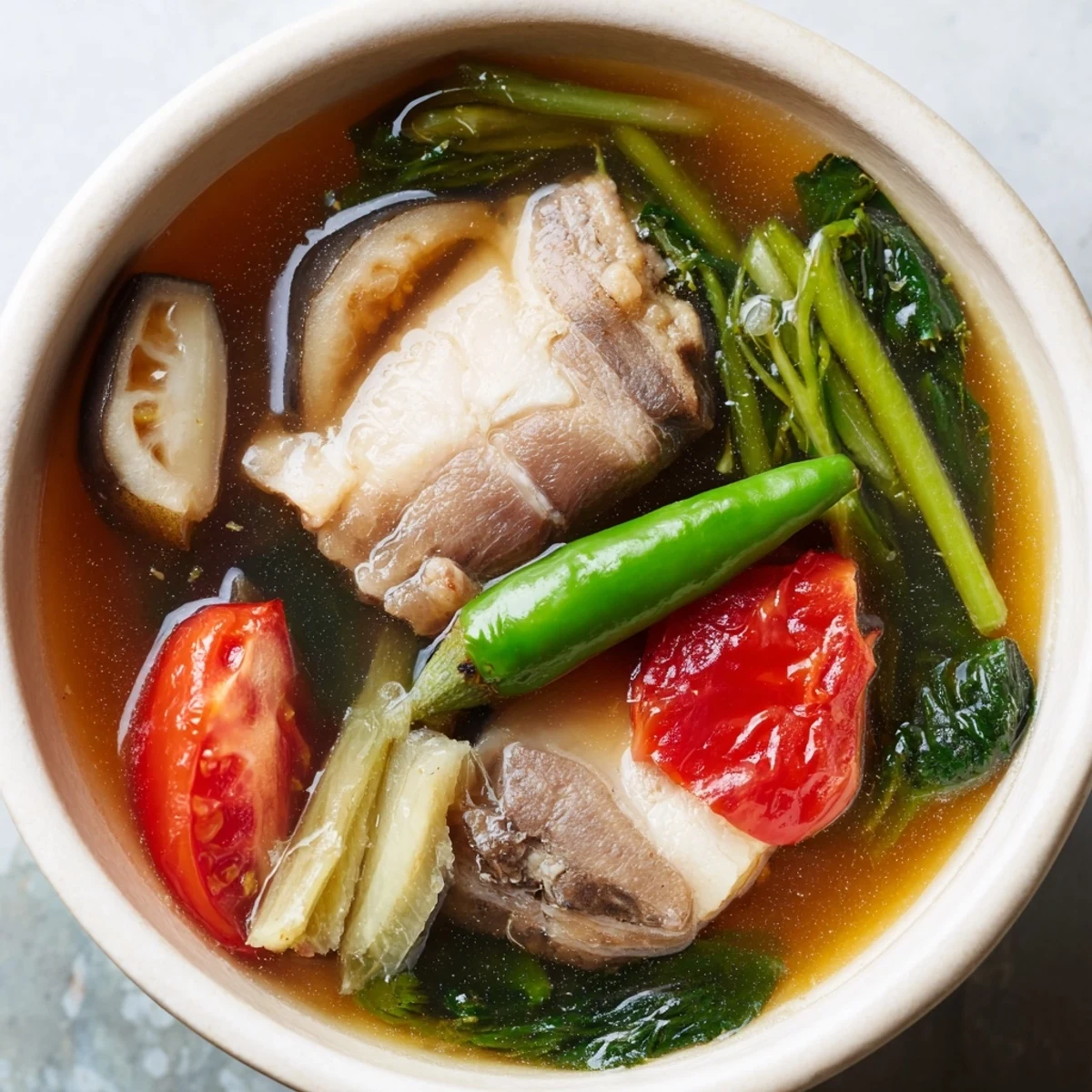
Save This traditional Filipino comfort dish features a perfectly balanced sour broth that warms you from within. The tender pork simmers alongside tomatoes, onions, and daikon radish, while eggplant and string beans add heartiness. Fresh spinach wilts into the soup at the end, creating layers of texture and flavor. The tamarind-based broth delivers that distinctive tanginess that makes Sinigang so beloved. Serve over steaming white rice for a complete meal that brings family together around the table.
My tita would always make Sinigang when typhoon season rolled around, watching rain drum against the kitchen windows while that distinctive sour aroma filled every corner of the house. She swore the storm made it taste better, something about the weather making you crave that lip puckering tang even more. Now whenever the sky turns gray and threatening, my hands automatically reach for pork belly and tamarind mix without even thinking about it.
Last Christmas, I made a giant pot for my cousins who had been living abroad for years. The moment that first bowl hit the table, the chaos of present opening stopped dead. Three grown adults sat there making involuntary happy noises over soup, steam fogging up their glasses, rice bowls piling up beside them like they were teenagers again.
Ingredients
- 1 kg pork belly or ribs: The fatty pieces melt into the broth creating that rich mouthfeel that makes Sinigang so comforting
- 2 medium tomatoes: These break down during cooking adding subtle sweetness that balances all that sour
- 1 large onion: Quarter them big so they do not disintegrate into the soup
- 1 daikon radish: Slices become tender and soak up all that flavorful broth like little sponges
- 10 string beans: Keep them in 2 inch pieces so they are easy to spoon up with everything else
- 1 eggplant: Slices hold their shape just enough while becoming silky soft
- 2 cups spinach or kangkong: Add these last so they stay bright and just barely wilted
- 2 long green chili peppers: Optional but that gentle heat in the background makes everything else pop
- 40g tamarind soup base: The secret to that authentic sour punch without hours of boiling fresh tamarind
- 2 tbsp fish sauce: Adds that deep salty umami that ties all the flavors together
- 1 tsp salt and ½ tsp black pepper: Adjust these at the end because tamarind mix brands vary wildly in saltiness
- 6 cups water: Start with this and add more if needed, the soup should be broth heavy not stew thick
Instructions
- Start with the pork and water:
- Get your biggest pot heating up with water until it reaches a rolling boil, then drop in the pork chunks. Watch closely for the first few minutes as grey foam rises to the top and skim it all off, this keeps the broth clear and clean tasting.
- Add the aromatics:
- Toss in your quartered tomatoes and onions, then lower the heat to a gentle bubble. Let this go for about 20 minutes until you can tell the pork is starting to relax and get tender.
- Bring in the radish:
- Add your daikon slices next because they take longer than the other vegetables. Give them a solid 10 minutes to start softening up and absorbing flavor.
- Add the remaining vegetables:
- Drop in the eggplant, string beans, and those green chilies if you are using them. Let everything simmer together for about 5 minutes until the vegetables are cooked through but not falling apart.
- Create that signature sour broth:
- Stir in your tamarind soup base, dissolving it completely into the hot liquid. If using fresh tamarind pulp, mash it with some water first then strain the juice into the pot.
- Season to perfection:
- Add fish sauce first, then salt and pepper, tasting after each addition. The soup should hit you with sour first, then have this underlying richness that makes you immediately want another spoonful.
- Finish with the greens:
- Toss in your spinach or kangkong right at the end, just 2 or 3 minutes until they wilt down but still have some life in them. The residual heat does all the work here.
- Serve it up:
- Ladle hot over steaming white rice in deep bowls, making sure everyone gets plenty of broth and vegetables with their meat.
 Save
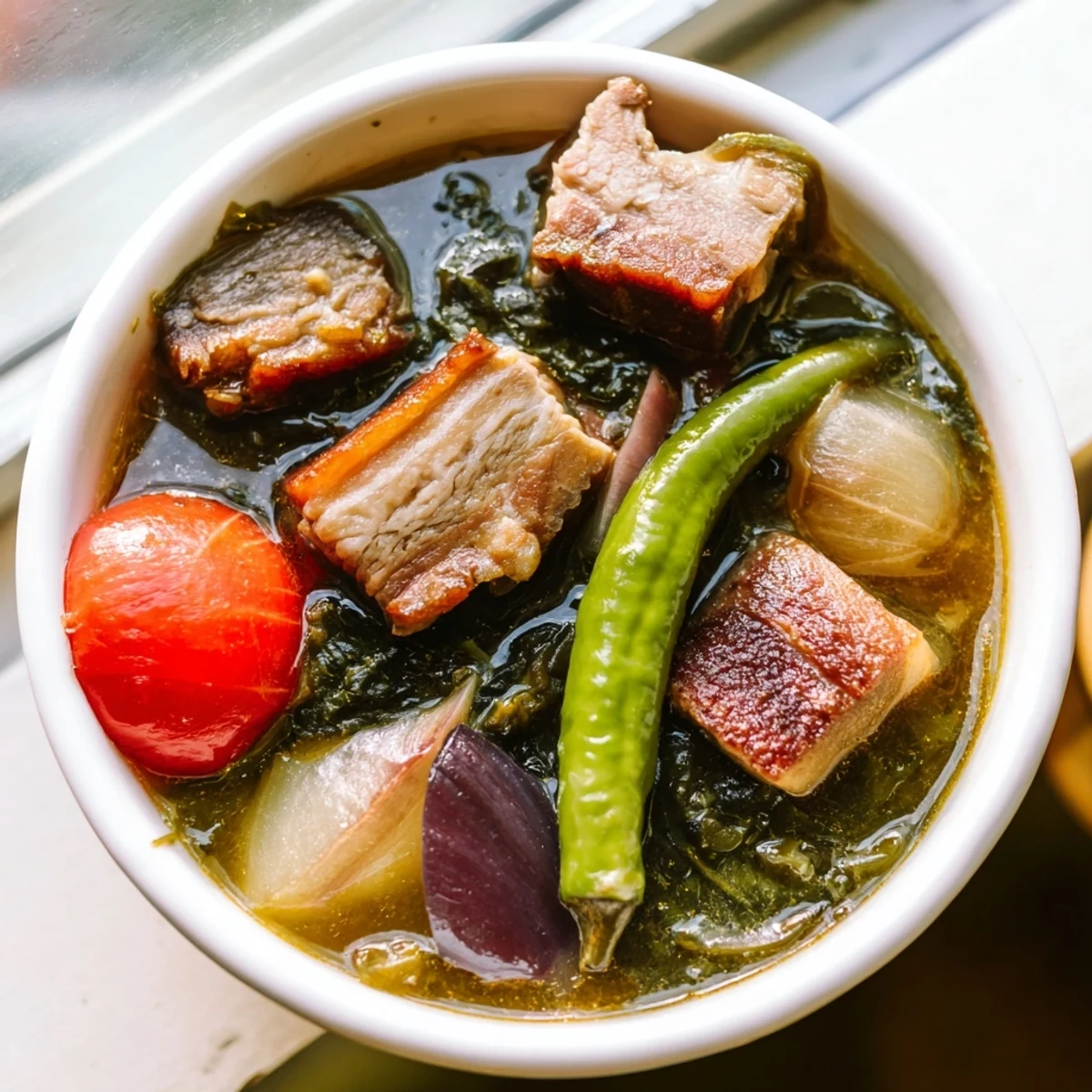
Save Something magical happens when Sinigang sits in the fridge overnight. The sour mellows, the pork fat renders further into the broth, and what was already good becomes extraordinary. My husband who was skeptical of sour soup at first now requests leftover Sinigang more often than fresh.
Making It Lighter
On humid summer days when rich pork feels like too much, I switch to shrimp or firm white fish. The trick is adding seafood in just the last 10 minutes because shrimp turn rubbery fast and fish falls apart if overcooked. The broth stays just as satisfying but leaves you feeling light instead of weighed down.
The Tamarind Situation
Soup base packets are what most of us use for convenience, but fresh tamarind is a game changer if you can find them. Boil the pods until soft, mash everything into a pulp, then push it through a strainer to catch seeds and fibers. The fresh version has this complexity that mixes sour with slight floral notes you cannot get from powder.
Vegetable Freedom
Never let anyone tell you there is only one way to make Sinigang. Every household has their own vegetable lineup and that is part of the beauty. Some families are team taro chunks, others swear by okra, my aunt adds banana heart whenever she finds it at the Asian market.
- Okra adds this beautiful slight thickness to the broth if you like that body
- Taro pieces take longer to cook so add them with the radish not the eggplant
- Any sturdy leafy green can sub for spinach though kangkong really is perfect here
 Save
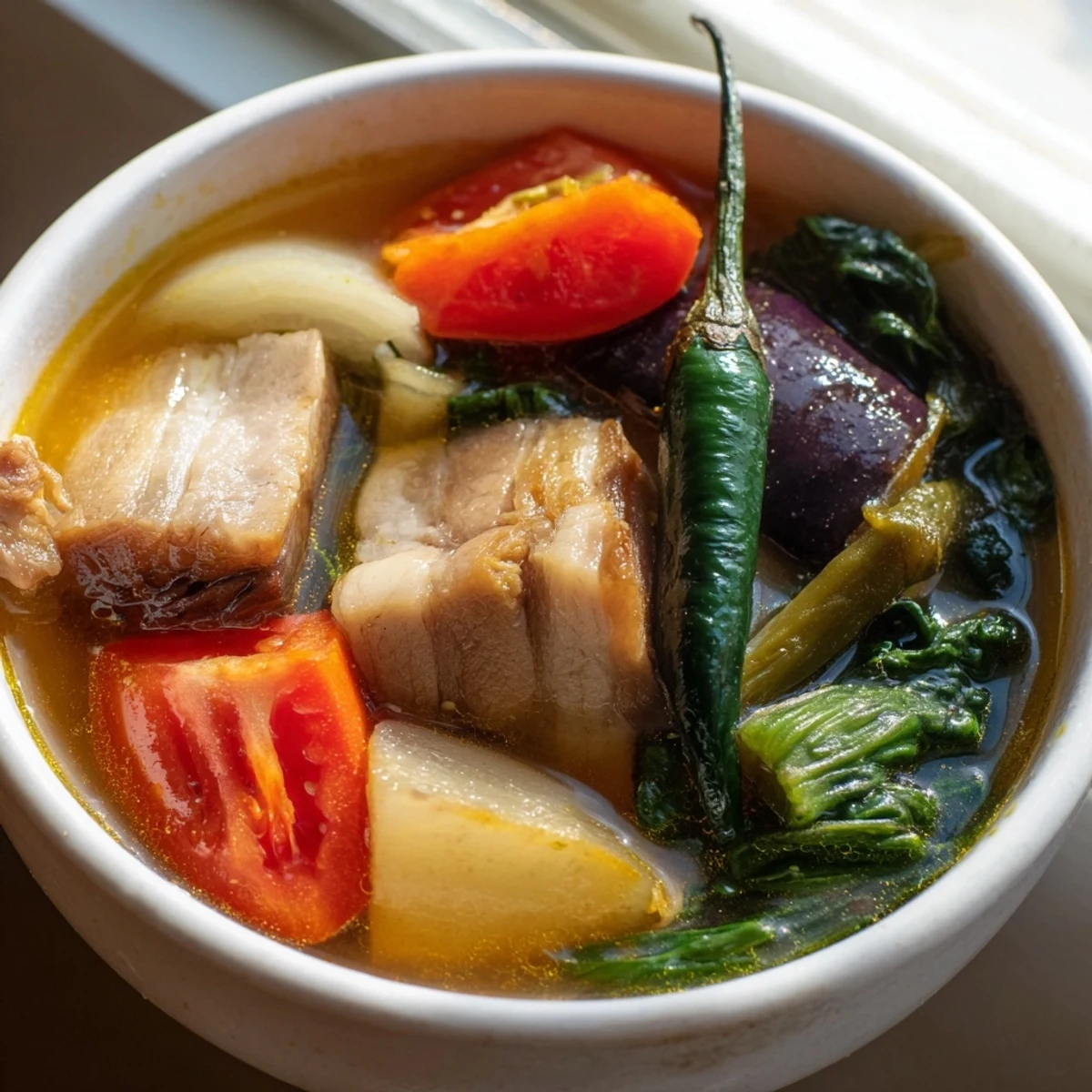
Save A rainy Sunday with a pot of Sinigang bubbling away on the stove is my version of therapy. The whole house smells like home, and somehow everything feels right with the world.
Recipe FAQs
- → What makes Sinigang taste sour?
-
The signature sourness comes from tamarind, which can be used fresh from pods or as a soup base mix. This natural tanginess balances the savory pork and vegetables perfectly.
- → Can I make Sinigang with other proteins?
-
Absolutely! While pork belly or ribs are traditional, you can substitute with beef, shrimp, or fish. Seafood versions cook faster and should be added during the last 10 minutes.
- → What vegetables work best in Sinigang?
-
Classic additions include daikon radish, eggplant, string beans, tomatoes, and onions. You can also add okra, taro, or water spinach depending on availability and preference.
- → How do I adjust the sourness level?
-
Start with the recommended amount of tamarind base, then taste before serving. Add more gradually if desired, or balance with additional salt and fish sauce to achieve your preferred flavor profile.
- → Is Sinigang spicy?
-
Traditional Sinigang isn't typically spicy, but long green chili peppers can be added for mild heat. The peppers are usually left whole to infuse flavor without making the dish too hot.
- → What should I serve with Sinigang?
-
Steamed white rice is the classic accompaniment, soaking up the flavorful broth. The dish pairs beautifully with Sauvignon Blanc or can be enjoyed as a complete meal on its own.