
 Save
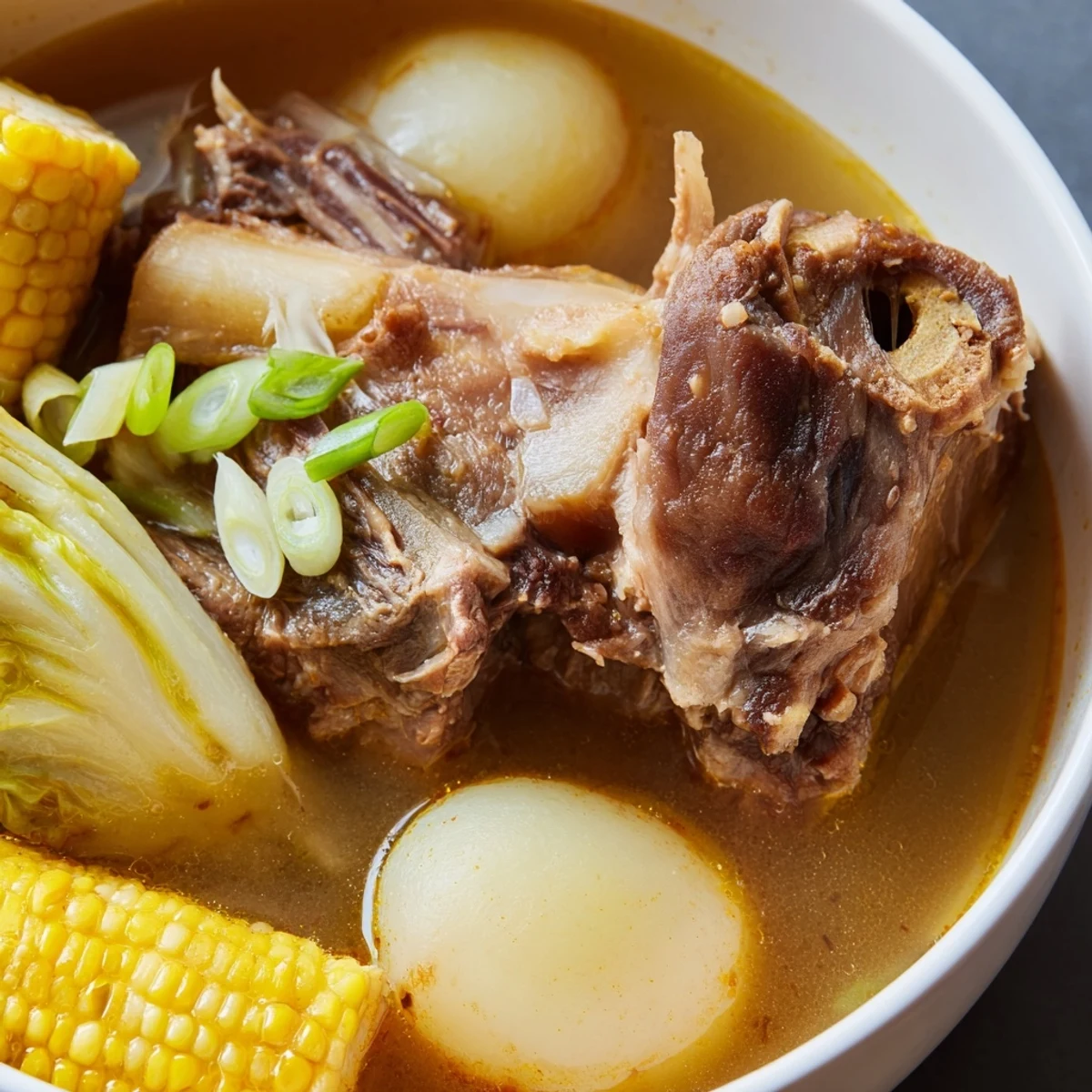
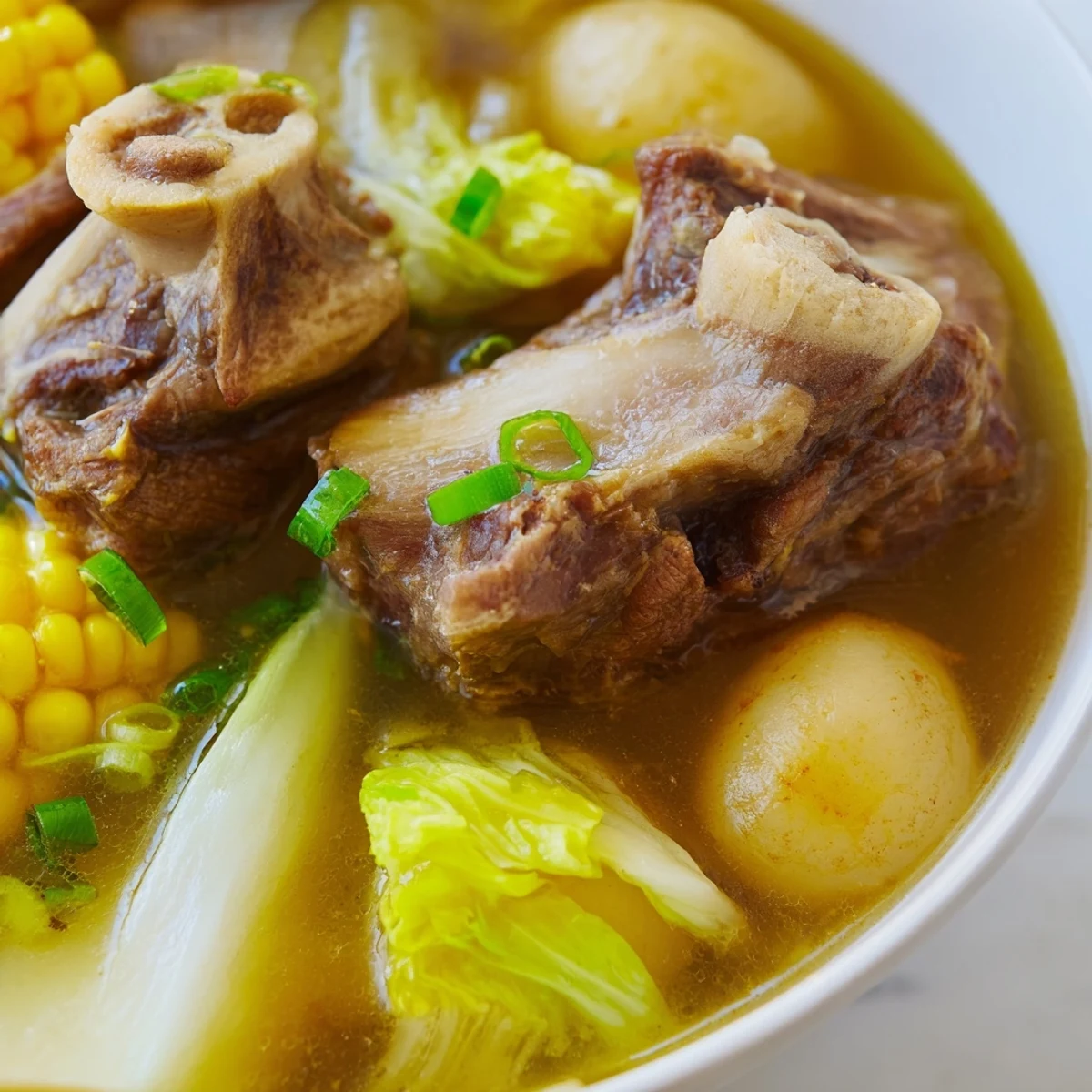
Save This classic Filipino comfort soup transforms beef shank and marrow bones into a rich, flavorful broth through slow simmering. The result is tender meat that falls apart with a fork, plus gelatinous marrow that melts into the liquid. Vegetables like corn, potatoes, cabbage, and green beans add sweetness and texture, while fish sauce and peppercorns provide authentic seasoning. The dish comes together in stages—first the beef, then root vegetables, followed by quicker-cooking ingredients—ensuring each component reaches perfect doneness. Serve with steamed rice and fresh calamansi for squeezing, letting each diner adjust the brightness to their taste. The extended cooking time is essential for developing the deep, savory flavor and extracting all the richness from the bones.
Rainy season in Manila always had my grandmother setting her largest stockpot on the stove, the scent of simmering beef eventually drawing everyone from their rooms. Something about that long, slow cooking process made the whole house feel safer somehow. Now whenever the weather turns gray, my hands automatically reach for beef shank at the market without me even deciding to make soup.
Last Christmas Eve, my uncle who rarely cooks announced he would make bulalo for midnight dinner. We all watched in amusement as he fussed over the pot like a new parent, checking the broth every twenty minutes. That soup turned out so extraordinary that nobody has let him cook anything else since.
Ingredients
- Beef shank with bone: The shank provides collagen that transforms into that silky, rich broth while the marrow adds luxurious mouthfeel
- Additional marrow bones: Extra bones mean more body in your soup though they are optional if you cannot find them
- Corn on the cob: Natural sweetness balances the savory beef and becomes wonderfully tender after long simmering
- Onion: Quartered onions release their aroma slowly into the broth rather than overpowering it
- Carrots: Cut into large chunks so they do not disintegrate during hours of cooking
- Baby potatoes: Halved potatoes cook evenly and their creamy texture complements the beef beautifully
- Napa cabbage: Adds fresh contrast and absorbs the seasoned broth without becoming mushy
- Green beans: Bring crunch and color to the bowl, making each spoonful more interesting
- Saba bananas: The plantains add subtle sweetness that makes this soup distinctly Filipino
- Whole black peppercorns: Crushed between fingers or left whole, they provide gentle warmth throughout the soup
- Fish sauce: This is the essential salty umami foundation that builds depth in the broth
- Calamansi or lemon: A bright squeeze just before eating cuts through the richness and wakes up all the flavors
Instructions
- Start the broth:
- Place beef shank and marrow bones in your largest pot then cover with water. Bring everything to a rolling boil over high heat, watching carefully as gray foam rises to the surface.
- Skimp on skimming:
- Use a ladle or skimmer to remove all the scum and impurities that float up, then lower the heat to a gentle simmer. Add onion, peppercorns, and fish sauce, cover partially, and let it cook undisturbed for 2 hours.
- Add hearty vegetables:
- Drop in potatoes and carrots first since they need the most time, letting them simmer for about 10 minutes until they start softening.
- Add corn and plantains:
- Toss in corn pieces and saba bananas along with green beans, cooking for another 10 minutes until the corn releases its natural sweetness.
- Finish with leafy greens:
- Stir in napa cabbage just until it wilts, about 2 to 3 minutes, then taste the broth and adjust with more fish sauce or salt as needed.
- Serve immediately:
- Ladle hot soup into bowls making sure each serving gets some marrow, then top with chopped scallions and serve calamansi wedges on the side.
 Save
Save My friend Luz tried making this for her American husband and accidentally added the cabbage too early. The whole pot turned into what she lovingly called bulalo mash, which they ended up eating over rice anyway because the flavor was still perfect.
Building The Best Broth
The secret truly lies in that long, slow simmer where collagen breaks down and flavors meld together. Rush this step and you will taste the difference immediately.
Making It Your Own
Some cooks add a splash of vinegar or even a thumb of ginger to their broth. My grandmother swore by adding a small piece of star anise for subtle warmth.
Serving It Right
Always serve bulalo piping hot with steamed jasmine rice on the side.
- Set out fish sauce at the table so everyone can adjust their own bowl
- Provide small spoons or forks specifically for scooping out the marrow
- Squeeze calamansi right before eating to brighten each bowl individually
 Save
Save There is something profoundly comforting about a soup that takes hours to make, like time itself becomes an ingredient in the bowl.
Recipe FAQs
- → What makes bulalo different from other beef soups?
-
Bulalo specifically uses beef shank with bone-in, allowing the marrow to melt into the broth and create a rich, velvety texture. The slow simmering process extracts collagen from the bones, giving the soup body and depth that sets it apart from lighter beef broth varieties.
- → How do I get the clearest broth possible?
-
Parboil the beef shank for 5 minutes, drain the water, and rinse the meat before starting your actual soup. This initial step removes impurities and blood that cloud the broth. Skim any foam that rises during cooking and maintain a gentle simmer rather than a rolling boil.
- → Can I make this in a pressure cooker or Instant Pot?
-
Yes, pressure cooking significantly reduces the time. Cook the beef shank for 45-60 minutes under high pressure, then release naturally. Add vegetables in stages—potatoes and carrots first for 5 minutes, then corn and green beans for another 5 minutes, followed by cabbage for just 2 minutes.
- → What vegetables work best in bulalo?
-
Traditional choices include corn on the cob for sweetness, baby potatoes for substance, carrots for color, napa cabbage for mild bitterness, and green beans for crunch. Saba bananas add unique sweetness and are considered authentic, though optional. Avoid quick-cooking greens like spinach as they'll overcook during the long simmer.
- → How do I eat the bone marrow?
-
Once the beef is tender, use a narrow spoon or marrow spoon to scoop the soft marrow from the bone center. Many Filipinos mix it directly into their broth for extra richness, or spread it on rice. The marrow becomes completely soft during cooking and has a buttery, savory flavor.
- → Can I make this ahead of time?
-
The soup actually improves after refrigeration—the fat rises to the top and can be easily removed if desired, and flavors have time to meld. Cook completely, cool quickly, and refrigerate for up to 3 days. Reheat gently, adding fresh vegetables if the originals have become too soft.