
 Save
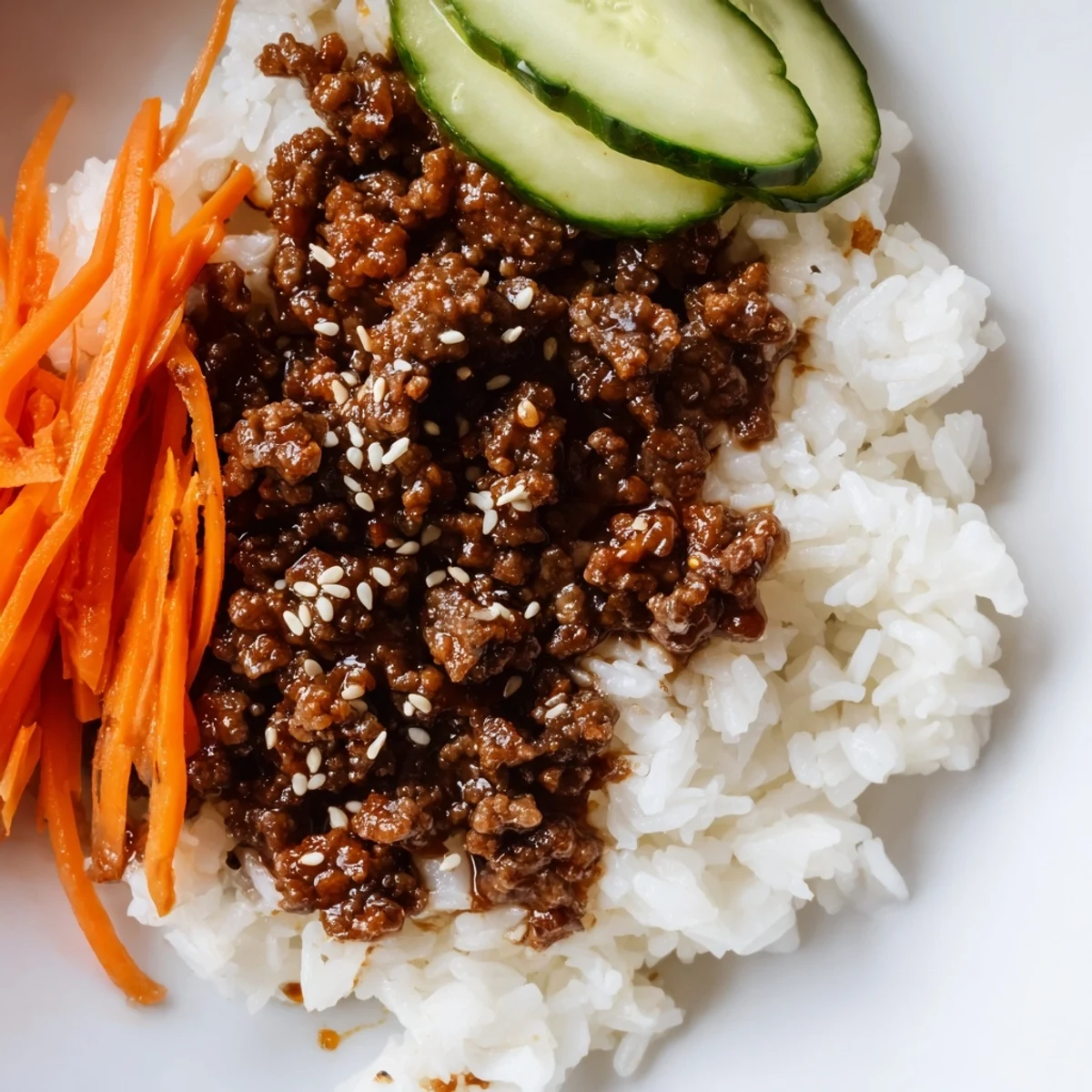
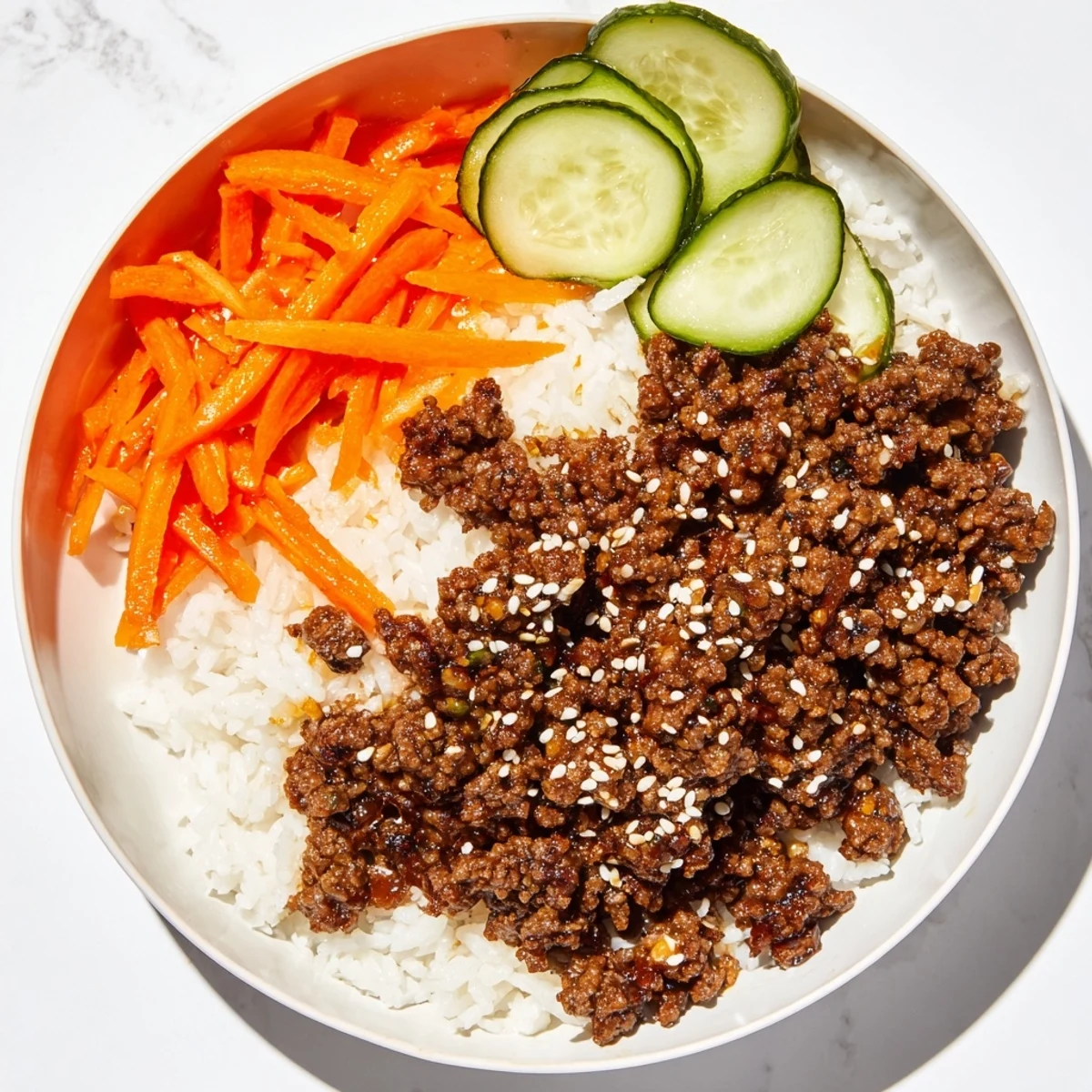
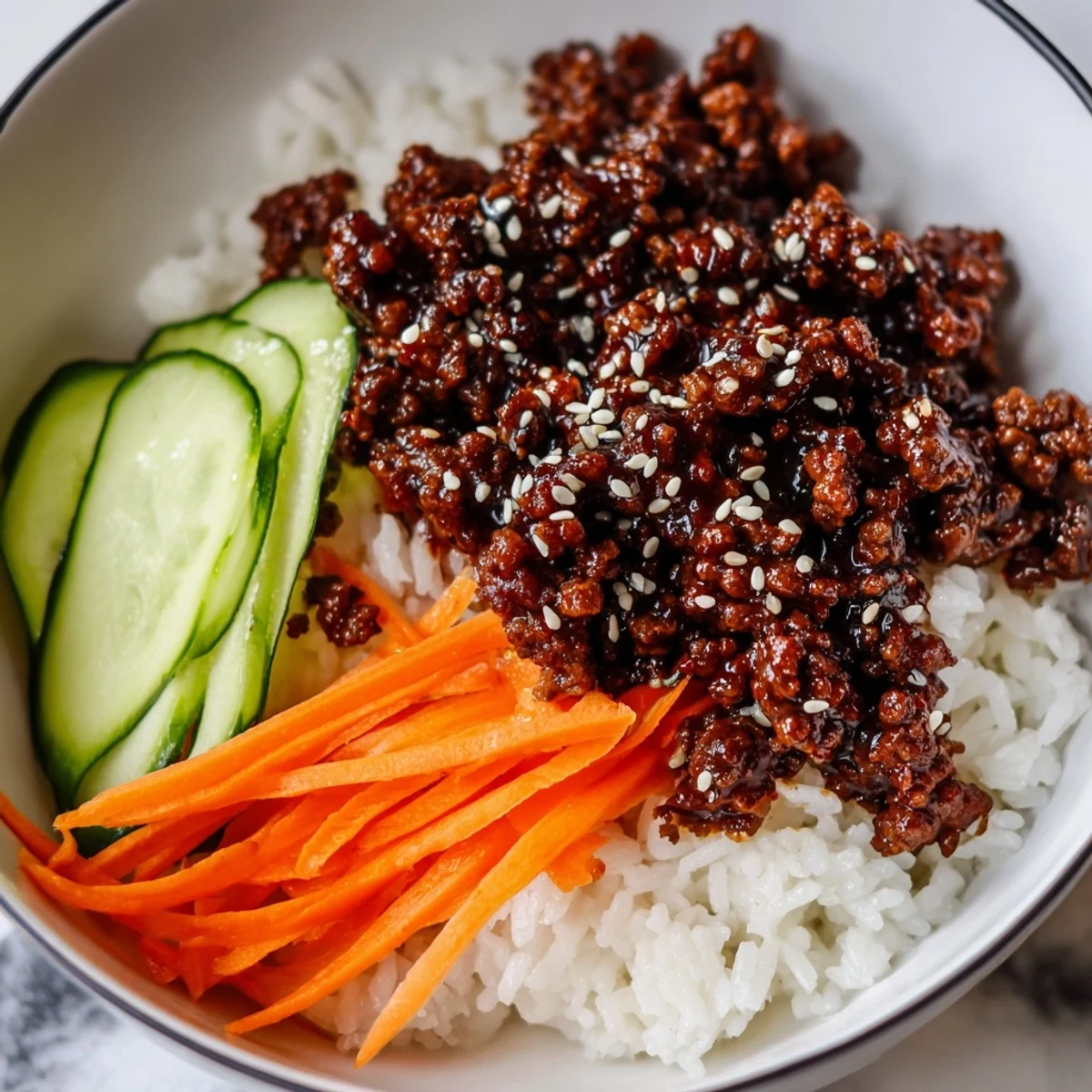
Save This Korean-inspired bowl features lean ground beef browned and simmered in a savory sauce made with soy sauce, brown sugar, sesame oil, garlic, ginger, and gochujang for authentic depth of flavor. The beef mixture is served over fluffy jasmine rice and topped with julienned carrots, thinly sliced cucumber, scallions, and toasted sesame seeds for texture and freshness. The entire dish comes together in just 25 minutes, making it ideal for busy weeknights when you want something satisfying but don't want to spend hours cooking.
My tiny apartment kitchen smelled incredible the first time I made Korean beef bowls. I had discovered gochujang at an Asian market earlier that week and couldn't wait to experiment with it.
My roommate walked in mid-cook and asked what restaurant I had ordered from. That beef sizzling in the skillet looked and smelled better than anything we could get delivered.
Ingredients
- 500 g lean ground beef: The base that soaks up all that incredible sauce flavor
- 60 ml low-sodium soy sauce: The salty foundation that balances the sweetness
- 2 tbsp light brown sugar: Caramelizes slightly and mellows the heat
- 1 tbsp sesame oil: Toasted, nutty essence that makes it taste authentic
- 4 garlic cloves, minced: Fresh is absolutely non-negotiable here
- 1 tbsp freshly grated ginger: Peeling and grating it yourself makes such a difference
- 1 tbsp gochujang: The Korean chili paste that gives this dish its signature kick
- 2 tsp rice vinegar: Just enough acidity to cut through the richness
- 300 g jasmine rice: Fluffy grains that cradle the beef and catch every drop of sauce
- 2 medium carrots, julienned: Fresh crunch that contrasts the warm savory beef
- 1 small cucumber, thinly sliced: Cool and refreshing against the spiced meat
- 4 scallions, thinly sliced: Pop of oniony brightness on top
- 2 tbsp toasted sesame seeds: That final nutty crunch that ties everything together
Instructions
- Get the rice going first:
- Rinse the grains under cold water until it runs clear, then simmer with 480 ml water for about 12 minutes until fluffy.
- Whisk up the sauce:
- Combine soy sauce, brown sugar, sesame oil, garlic, ginger, gochujang, and rice vinegar in a small bowl.
- Brown the beef:
- Cook the ground beef in a large skillet over medium-high heat, breaking it up with a spatula until nicely browned.
- Add the magic:
- Pour that sauce over the beef and stir for another 2 to 3 minutes until it thickens and coats every crumble.
- Build your bowls:
- Pile rice into four bowls and top with the saucy beef, carrots, cucumber, scallions, sesame seeds, and whatever else calls to you.
 Save
Save These Korean beef bowls became my go-to meal whenever friends came over for casual dinners. Something about assembling your own bowl with all those colorful toppings makes people so happy.
Making It Your Own
I have tried swapping ground beef for turkey and chicken, both work beautifully. The sauce is the real star, so it adapts to whatever protein you prefer.
Perfecting The Rice
Short-grain rice sticks together more, which I actually love for these bowls. Jasmine rice gives you separate, fluffy grains if you prefer that texture.
Topping Ideas
Sliced avocado adds creaminess that balances the spicy beef. A soft fried egg on top makes it feel even more substantial.
- Fresh spinach or sautéed bok choy adds more greens
- Pickled radishes bring that authentic Korean restaurant touch
- Extra gochujang on the side for heat lovers
 Save
Save Hope these Korean beef bowls become a weeknight staple in your kitchen like they did in mine.
Recipe FAQs
- → Can I make this dish gluten-free?
-
Yes, simply substitute tamari for the soy sauce and ensure your gochujang is certified gluten-free, as some brands contain wheat.
- → Can I use a protein other than ground beef?
-
Ground turkey, chicken, or even crumbled tofu work well as lighter alternatives. Adjust cooking time slightly as poultry may cook faster than beef.
- → How spicy is this dish?
-
The gochujang provides mild to moderate heat. You can easily adjust by using more or less gochujang, or substitute with red pepper flakes to control the spice level to your preference.
- → Can I prepare components ahead?
-
The sauce can be whisked together and stored refrigerated for up to 3 days. Vegetables can be prepped in advance, but cook the beef fresh for best texture and flavor.
- → What rice works best?
-
Jasmine or short-grain white rice are traditional choices, but brown rice adds nutty flavor and extra fiber. Just adjust cooking time and water ratio accordingly.
- → How should I store leftovers?
-
Store components separately in airtight containers in the refrigerator for up to 3 days. Reheat the beef gently on the stovetop with a splash of water to refresh the sauce.